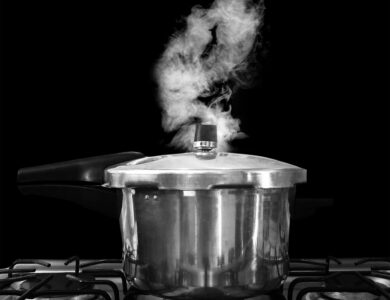
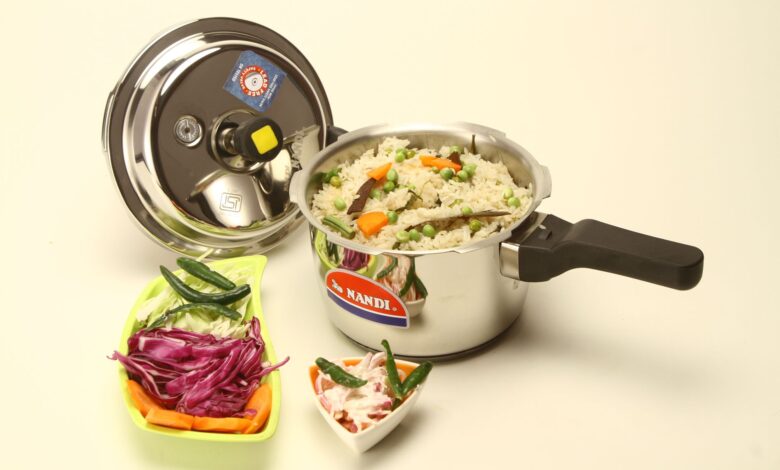
The ISI mark on a pressure cooker confirms the vessel meets specific safety and performance benchmarks defined under Indian Standard 2347, rather than serving as a generic quality badge. This certification validates that the cooker has passed rigorous testing for structural integrity, pressure regulation, and material safety before reaching retail shelves.
Understanding this distinction helps buyers identify equipment that can safely withstand daily high-pressure cooking without risking catastrophic failure or chemical leaching. The IS 2347 certification process documents compliance through factory audits and sample testing, ensuring each marked unit adheres to mandatory construction and safety requirements established by national standards bodies.
What IS 2347 actually tests in pressure cookers
This standard evaluates pressure cookers across multiple critical parameters including burst strength, lid locking mechanisms, gasket durability, and safety valve functionality under sustained operating conditions. Manufacturers must demonstrate that vessels can withstand pressures significantly exceeding normal cooking levels without deformation or rupture, providing a verified safety margin for domestic use.
Material composition receives equal scrutiny to ensure stainless steel or aluminum alloys meet food-contact safety requirements and resist corrosion from acidic ingredients common in Indian cooking. Testing protocols verify that metals do not leach harmful substances during repeated heating cycles and that surface finishes remain stable despite exposure to salt, turmeric, and tamarind over years of service.
Safety devices undergo independent validation to confirm they activate at specified pressure thresholds and cannot be bypassed through normal operation or minor manufacturing variations. This mechanical verification ensures that weight valves, fusible plugs, and secondary release systems function reliably even when primary regulation fails during unattended cooking or heat source malfunctions.
Mandatory certification under BIS quality control orders
Pressure cookers sold in India must carry valid BIS certification because they fall under compulsory Quality Control Orders that prohibit manufacture, import, or sale without compliance documentation. This regulatory framework transforms voluntary standards into legal requirements, making the ISI mark a prerequisite for market access rather than an optional marketing feature.
The BIS pressure cooker quality control order specifies exact testing frequencies, factory audit schedules, and conformity assessment procedures that manufacturers must maintain continuously. Non-compliant products face seizure and penalties, creating enforcement mechanisms that distinguish certified equipment from uncertified alternatives lacking documented safety validation.
Retailers and e-commerce platforms increasingly require valid BIS registration numbers before listing pressure cookers, reducing availability of non-compliant vessels in mainstream distribution channels. Buyers can verify certification status through official BIS databases using license numbers printed on product packaging or engraved on vessel bases, enabling pre-purchase confirmation of regulatory compliance.
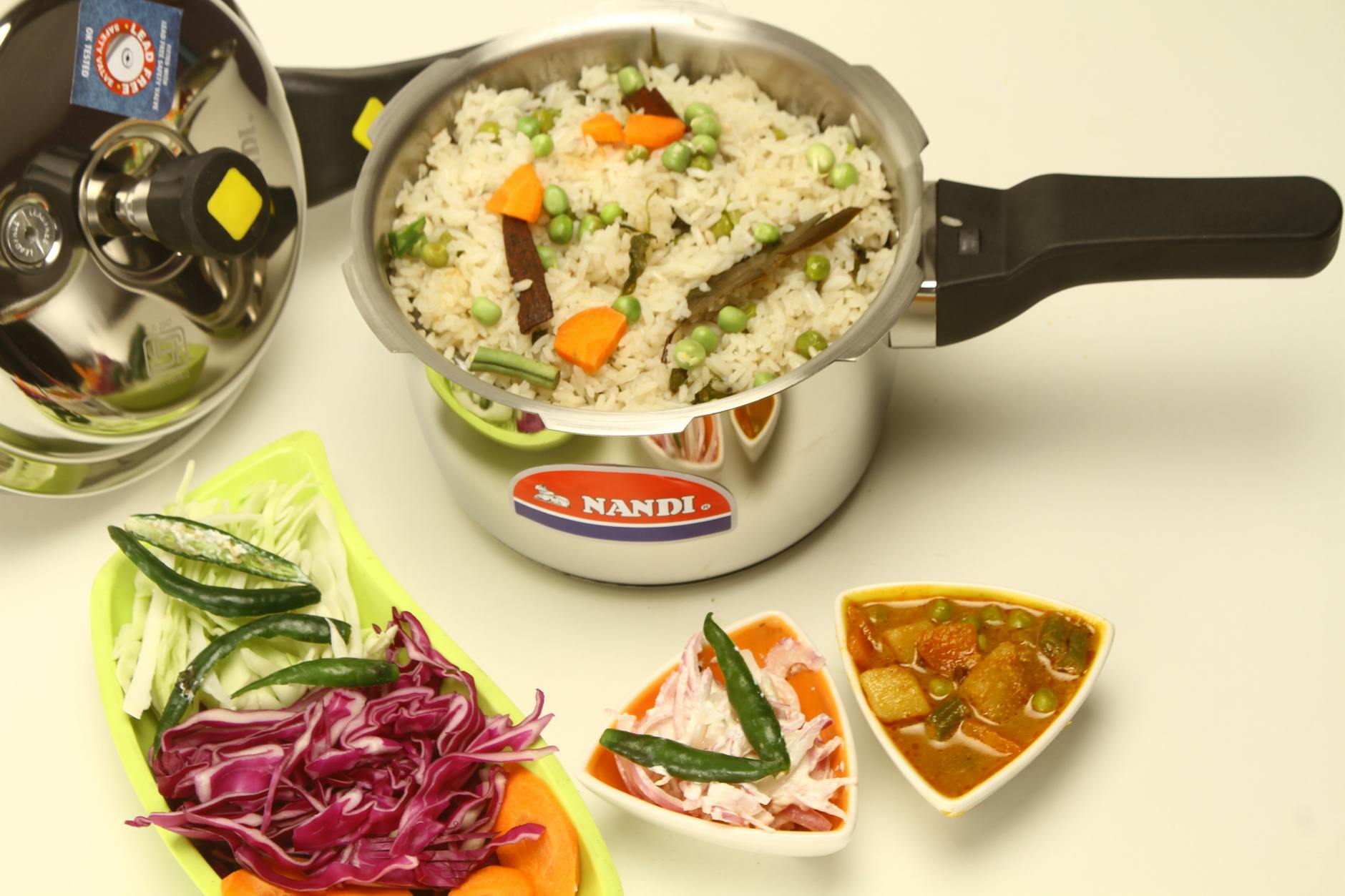
Distinguishing genuine ISI marks from counterfeit certifications
Authentic ISI marks include specific formatting elements including the standard IS number, manufacturer license code, and standardized logo proportions that counterfeiters often replicate incorrectly. Genuine engravings appear crisp and uniform with consistent depth, while fake marks frequently show uneven lines, blurred edges, or incorrect font styles that deviate from official specifications.
License numbers follow predictable alphanumeric patterns tied to manufacturer registration records, allowing verification through official BIS portals or customer service channels. Numbers that return no results, belong to unrelated product categories, or display formatting inconsistencies typically indicate fraudulent marking applied after production without authorized testing or factory oversight.
Physical inspection should extend beyond the mark itself to examine overall build quality, welding consistency, and component fitment that correlate with certified manufacturing processes. Vessels bearing legitimate certification demonstrate uniform finishing and precise assembly throughout, while counterfeits often reveal poor craftsmanship in areas unrelated to the visible mark despite superficially accurate labeling.
Safety implications of certified versus uncertified cookers
Certified pressure cookers incorporate redundant safety systems validated through destructive testing to prevent explosive failures even when primary regulation mechanisms malfunction during use. Uncertified vessels may lack secondary release pathways or employ substandard materials that weaken unpredictably under thermal cycling, creating rupture risks that increase with age and usage frequency.
Gasket and sealing components in certified models meet elastomer specifications for temperature resistance and compression recovery that maintain seal integrity across thousands of pressurization cycles. Non-compliant alternatives often use cheaper rubber compounds that harden prematurely or deform permanently, leading to steam leakage that reduces cooking efficiency while increasing burn hazards from escaping vapor.
Material traceability requirements ensure certified cookers use food-grade metals with documented alloy compositions free from lead, cadmium, or other toxic elements prohibited under safety standards. Uncertified manufacturers may source recycled scrap with unknown contamination histories, introducing heavy metal exposure risks that accumulate silently through regular cooking without immediate symptoms but potential long-term health consequences.
| Verification Step | What to Check | Red Flags |
|---|---|---|
| Mark Format | IS number, license code, logo proportions | Blurry engraving, wrong fonts, missing elements |
| License Validation | BIS database search using printed number | No results, mismatched product category |
| Build Quality | Welding, finishing, component alignment | Rough seams, uneven surfaces, loose parts |
| Documentation | User manual references IS 2347 compliance | Generic instructions, no standard citations |
Maintenance requirements for certified pressure cookers
Certification validates initial compliance but does not guarantee indefinite safety without proper maintenance and timely component replacement according to manufacturer specifications. Gaskets, safety valves, and sealing rings degrade through normal use and require periodic inspection to ensure continued adherence to performance parameters established during original testing.
Replacement parts should match original equipment specifications to preserve certified safety margins rather than substituting generic alternatives with unverified material properties or dimensional tolerances. Using non-OEM components effectively voids certification validity since modified assemblies have not undergone conformity assessment under controlled conditions that validate integrated system performance.
Regular visual inspections for corrosion, deformation, or mechanical wear enable early detection of issues that could compromise safety before catastrophic failure occurs during pressurized operation. Documented maintenance records support warranty claims and provide evidence of responsible ownership should questions arise about equipment condition following extended service periods.
Understanding Your Pressure Cooker’s Safety Certification
The ISI mark signifies verified compliance with IS 2347 safety and performance standards through documented testing and ongoing factory surveillance rather than self-declared quality claims. Always validate certification authenticity through official BIS channels before purchase and maintain equipment according to manufacturer specifications to preserve certified safety margins throughout service life. Relying on uncertified cookers introduces unquantified risks that no amount of careful operation can fully mitigate when fundamental design or material deficiencies exist.
Frequently Asked Questions
Can I trust a pressure cooker with ISI mark but no visible license number?
Legitimate ISI marks always include manufacturer license numbers traceable through official BIS databases for verification purposes. Absence of this identifier suggests counterfeit marking or unauthorized application lacking valid certification documentation required for legal sale.
Does ISI certification guarantee a pressure cooker will never explode?
Certification validates design safety margins and manufacturing consistency but cannot prevent failures caused by misuse, damage, or neglected maintenance over time. Proper operation and timely component replacement remain essential responsibilities regardless of initial certification status or compliance documentation.
Are imported pressure cookers required to have ISI marks for Indian sale?
All pressure cookers sold in India must carry valid BIS certification regardless of manufacturing origin under current Quality Control Orders. Importers must obtain separate certification demonstrating compliance with IS 2347 through testing and factory audits equivalent to domestic manufacturer requirements.
How often should certified pressure cooker safety components be replaced?
Follow manufacturer-specified replacement intervals for gaskets, valves, and seals which typically range from twelve to twenty-four months depending on usage frequency. Regular inspection for wear, hardening, or deformation enables proactive replacement before compromised components create safety hazards during pressurized operation.