
Kitchen storage & organization
-
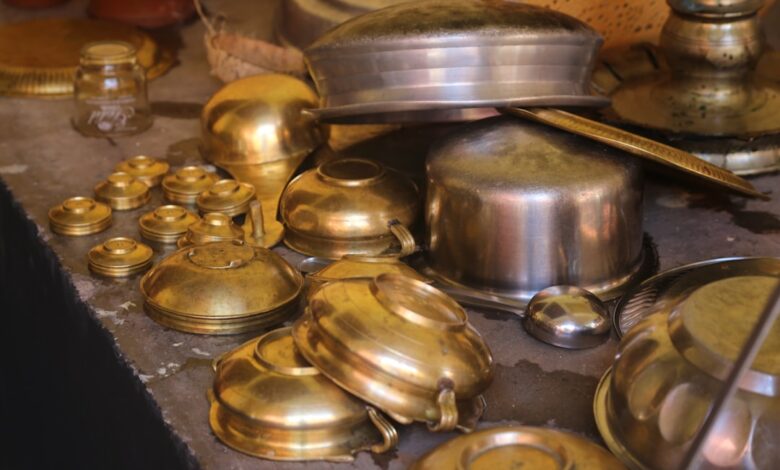
Kitchen Organizers That Actually Fit Indian Cookware: Thalis, Kadhai, and Pressure Cooker Storage Solutions
Standard modular cabinets are built around Western saucepans, so a generic organizer fails the first time a wide-handled kadhai or a tall pressure cooker meets a base drawer. The fix is to match each vessel’s exact size and weight against the free space and load limits of pull-out boxes, vertical thali racks, and reinforced shelves. Cabinet engineering and kitchen ergonomics…
Read More » -
How to Choose Food Storage Containers That Won’t Leach Chemicals into Hot or Oily Indian Food
A “food safe” sticker on a plastic tub does not make it safe for hot sambar or oily pickle. The label only means one chemical was replaced with a substitute that still moves into food under heat and fat. Real safety depends on the resin code stamped on the base and on how well the plastic resists lipid-induced migration, the…
Read More » -
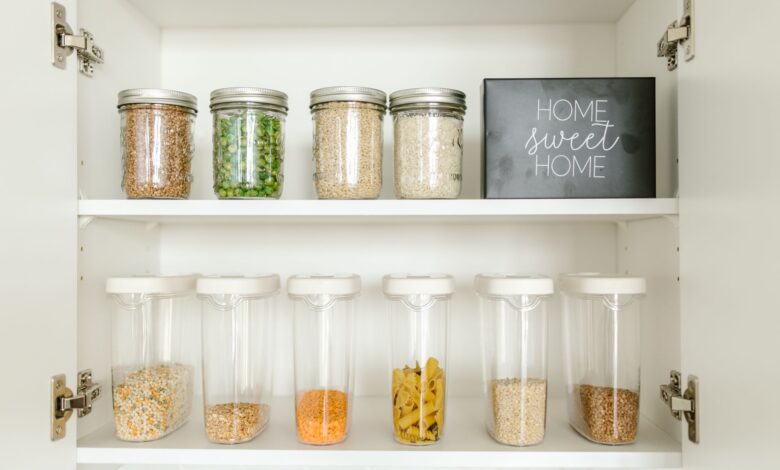
Stackable or Single-Layer: Which Container Design Saves More Space in an Indian Kitchen Cabinet
Reaching for a buried container while cooking forces you to dismantle an entire stack just to grab one item. Real space-saving designs minimize the physical effort needed to pull a specific jar without toppling the rest. Basic kitchen workflow rules dictate that daily ingredients must remain accessible in a single motion. Interlocking lids might look neat on a display shelf,…
Read More » -
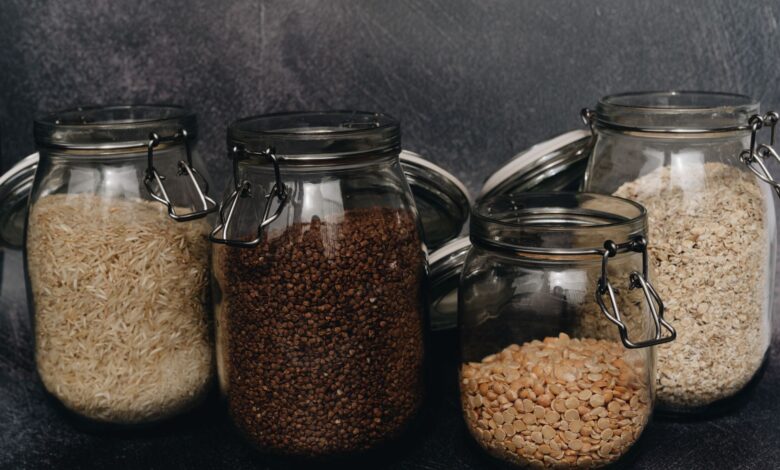
The Best Airtight Storage Containers for Indian Pantry Staples That Actually Stay Airtight
A printed “airtight” claim on a pantry jar is a marketing promise rather than a mechanical guarantee. Heavy bags of flour warp thin plastic lids, and monsoon humidity exploits any microscopic gap that opens up. True moisture protection requires a lid that maintains steady downward pressure and a gasket that recovers its shape. Material science shows exactly why these seals…
Read More » -
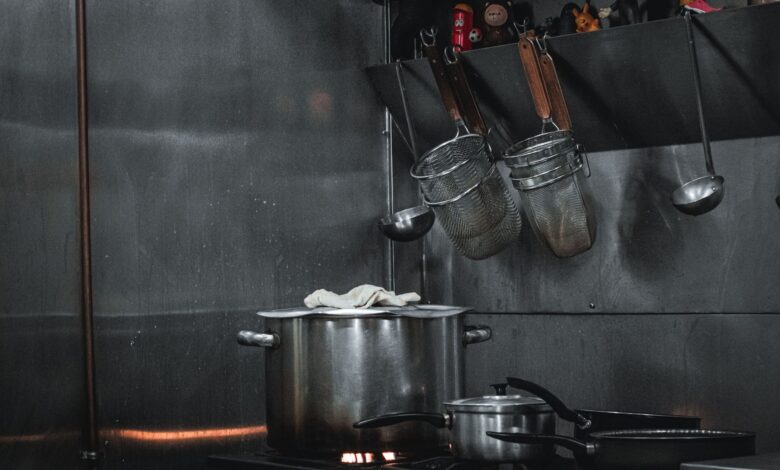
Which Kitchen Storage Rack Material Will Survive Daily Use in an Indian Joint-Family Kitchen
In a joint-family kitchen, wet brass handis, copper thalis, and a heavy pressure cooker land on the same rack every night, while airborne oil, turmeric dust, and steam settle across its wires. The rack that survives that routine is built from metal that holds weight and shrugs off acidic, oily residue — not one that merely carries a “rust-proof” sticker.…
Read More » -
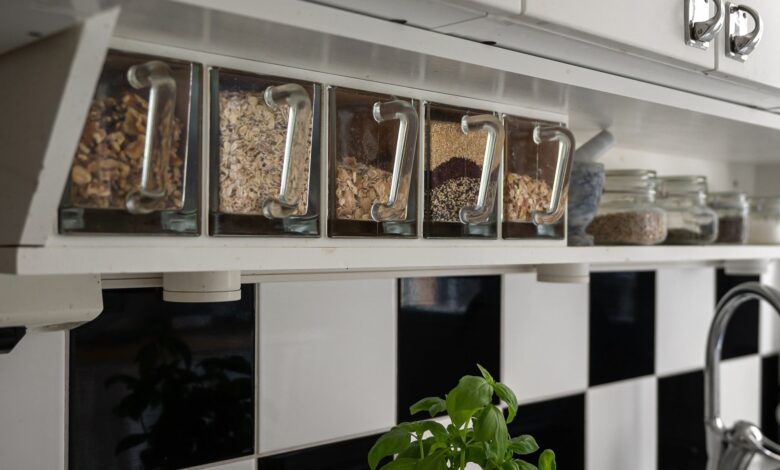
How to Measure and Maximize Every Inch of Storage in a Small Indian Kitchen Without Renovation
You are wedging a 5-liter cooker past a row of coffee mugs, and the cabinet door still will not close. Organizing a small Indian kitchen with limited space starts with a measured audit of depths, clearances, and zones, and it needs no teardown. Ergonomic research backs that order of work, because ergonomic spatial optimization — placing things by measured movement…
Read More » -
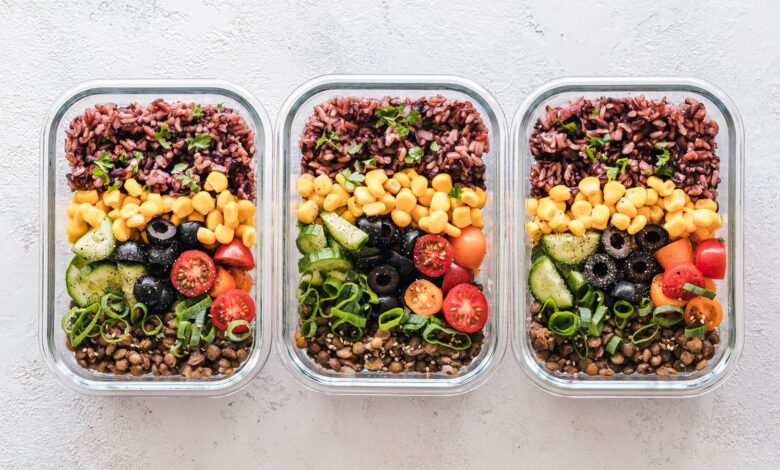
Glass vs Plastic vs Steel: Which Container Material Is Safest for Reheating and Freezing Indian Meals
Glass, plastic, and steel all survive the fridge, but the freezer-to-microwave jump splits them: one labelled glass handles it, most plastics merely tolerate it, and steel never enters the microwave. Answering which food storage container is safe for microwave and freezer use in India therefore means matching each material to one extreme at a time and reading the stamp that…
Read More » -
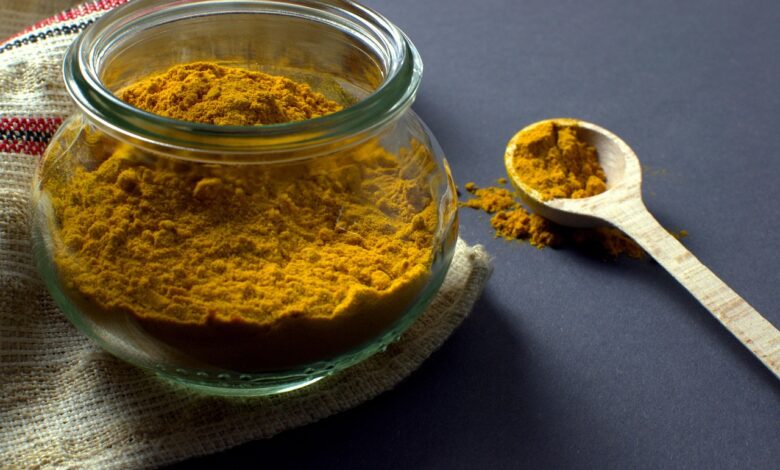
The Right Way to Store Spices, Pulses, and Flours in an Indian Kitchen Without Losing Freshness
Opening a spice box in July often reveals that half the aroma has already vanished, because heat, humidity, and insects constantly attack the pantry. Ingredients stay fresh only when each one gets an opaque, sealed container and a regular rotation schedule. Official FSSAI’s home food-safety guidance points to the exact same three controls: managing temperature, blocking moisture, and stopping pests.…
Read More » -
Why Stainless Steel Grade Matters for Storing Indian Dal, Rice, and Pickles
Most storage guides either tell you to avoid metal for pickles or simply assure you that stainless steel is safe. Very few explain why a supposedly stainless container rusts from the inside after holding lemon pickle or soaked lentils. The real difference sits in the metal’s specific grade and its nickel content, which decides whether the protective surface layer survives…
Read More » -
How to Identify Food-Grade Storage Containers That Actually Meet Indian Safety Standards
Most guides say to trust a single safety stamp or switch to glass, yet few ever decode the rules behind those claims. Checking whether a kitchen storage container is food grade in India starts with two physical details: the recycling code under the base and the structure of the certification mark. The FSSAI packaging regulations mandate BIS conformity and ban…
Read More »