
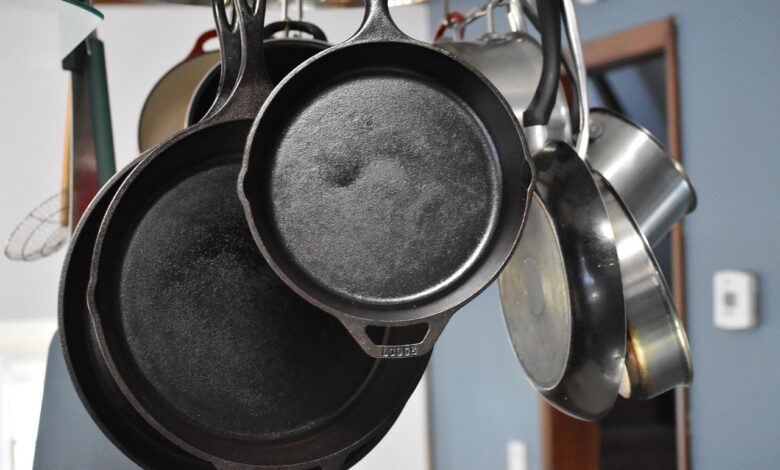
Most buying guides treat pre-seasoned cast iron as a pure upgrade, but in an Indian kitchen, that factory coating is often just shipping wax that flakes under high heat. Making the right choice requires comparing actual time saved against the durability of the initial polymer layer you receive out of the box.
Factory pre-seasoning primarily aims to [prevent rust during shipping](https://www.spoonspices.com/blogs/cooking/should-i-buy-a-pre-seasoned-cast-iron-pan), utilizing oils that rarely undergo rigorous thermal cycling. Materials science explains why this differs from DIY polymerization, and even pre-seasoned pans often demand hours of scrubbing to fix gummy layers. Mastering this distinction turns first-week flaking into a permanent, self-healing surface tailored to your cooking habits.
The reality of factory pre-seasoning
Manufacturers apply factory seasoning by spraying a thin layer of vegetable oil or wax and baking it briefly to create a rust-proof barrier for transit. This industrial process prioritizes shelf stability over culinary performance, resulting in a coating that protects the metal during storage but lacks the structural integrity needed for daily cooking. True culinary seasoning, by contrast, requires multiple layers of high-smoke-point oil heated past their smoke point to achieve full polymerization.

The porous nature of cast iron demands thermal cycling to lock oil into microscopic surface voids, a step frequently rushed in mass-production settings. Buyers who examine new pre-seasoned kadhais closely often notice an uneven sheen or waxy texture, because the factory spray application cannot replicate the careful wiping and heating cycles of manual seasoning.
This superficial layer may look dark and finished, but it typically lacks the cross-linked molecular structure necessary to release fermented batters or withstand aggressive tempering.
Time, effort, and the convenience premium
Pre-seasoned cookware theoretically saves the initial 1–2 hours required to scrub off protective wax and run the first oven-bake cycle. However, if the factory layer arrives uneven or gummy, users often spend that same timeframe stripping it down to bare iron anyway. The estimated ₹200–₹500 price premium for pre-seasoned Indian brands buys convenience only when the factory application is flawless; otherwise, it pays for extra labor.
Physical effort also diverges significantly between the two paths. Stripping a failed factory coat requires active scrubbing with coarse salt or chainmail to remove sticky residues, whereas building a DIY base involves mostly passive oven time. For those choosing unseasoned iron to build a superior foundation, the exact protocol matters immensely; the complete guide to [seasoning cast iron cookware for Indian kitchens](https://kitchengeek.in/the-complete-guide-to-seasoning-cast-iron-cookware-for-indian-kitchens/) details the specific thermal cycles needed to convert raw groundnut oil into a durable polymer.
Cost-per-use calculations further complicate the “convenience” narrative. If a pre-seasoned tawa requires immediate re-seasoning due to poor release, its effective cost rises above that of a bare pan seasoned correctly from the start. Conversely, a secondary deep-frying kadai used weekly may justify the premium, as the lower thermal stress allows the factory layer to survive long enough to be reinforced naturally by cooking fats.
Initial cooking performance and the dosa test
While manufacturers market pre-seasoned pans as [ready to cook out of the box](https://stahlkitchens.com/blogs/news/how-to-choose-the-best-cast-iron-cookware), real-world performance depends heavily on what you intend to cook first. A factory-coated tawa might successfully release an omelette or a heavily oiled paratha on day one, yet fail catastrophically with wet, fermented dosa batter. This divergence occurs because starchy batters require a micro-smooth, fully polymerized surface that thin factory coatings rarely provide straight from the packaging.
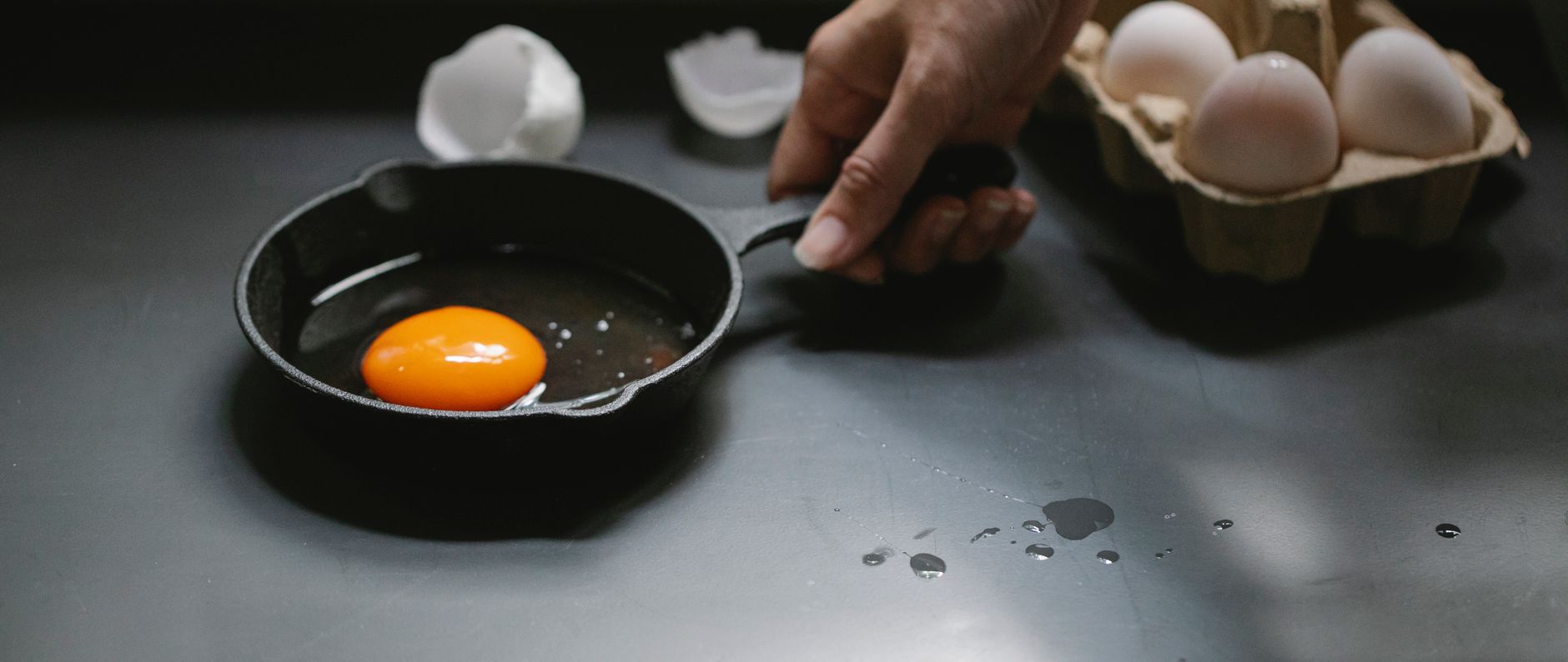
Indian batters present unique challenges because they rely on a perfectly sealed iron surface to prevent starches from bonding to microscopic pores. Factory oils are often chosen for cost and shelf life rather than high-heat polymerization potential, leaving the iron’s texture partially exposed. Wear patterns on new pre-seasoned tawas frequently show batter adhesion specifically in the centre, where heat concentration is highest and the fragile factory layer degrades fastest before home seasoning can build up.
Why “ready to use” coatings fail under high heat
In [Facebook cooking groups like Chef At Large](https://www.facebook.com/groups/chefatlarge/posts/6976951575726758/), users consistently report that pre-seasoned tawas burn dosa centres or shed black flakes immediately upon heating. As one poster put it, they were “struggling using the indus valley cast iron tawa” despite following package instructions. This failure stems directly from the thermal limits of industrial seasoning oils compared to traditional Indian cooking temperatures.
A factory coat cured at roughly 200°C cannot survive the 250°C+ shock of a mustard seed tadka or high-heat dosa roast. When exposed to temperatures exceeding its curing point, the thin polymer layer carbonizes and becomes brittle rather than flexible. Serious Eats’ analysis of [cast iron truth](https://www.seriouseats.com/the-truth-about-cast-iron) confirms that insufficiently bonded seasoning chips off under thermal stress, contaminating food until a thicker, home-built layer replaces it.
Long-term seasoning development and maintenance
The trajectory of a cast iron pan diverges sharply after the first month depending on its starting condition. An unseasoned pan built up with three to four deliberate layers of high-smoke-point oil typically develops a hard, self-healing patina capable of surviving acidic tomatoes and vigorous scrubbing. This intentional foundation bonds directly to the iron, creating a resilient base that improves predictably with use.
Pre-seasoned pans follow a more precarious path, relying on daily cooking fats to gradually reinforce a fragile factory base. If the user initially cooks low-fat dishes or avoids high heat to protect the coating, the factory layer often wears away unevenly, exposing bare spots prone to flash-rusting. Care warnings apply here: scrubbing a pre-seasoned pan down to bare iron to fix gumminess risks immediate oxidation in monsoon humidity if re-oiling does not happen instantly.
Maintenance routines must adapt to these different starting points. Unseasoned cookware demands strict adherence to the initial build-up protocol but rewards that discipline with uniform durability. Pre-seasoned cookware requires careful monitoring during the transition period, where the goal is to bridge the gap between industrial coating and home patina without stripping the pan back to zero prematurely.
Pre-seasoned vs unseasoned cast iron decision matrix
Use the table below to match your cooking frequency and available time to the appropriate cookware type. The decision hinges not on which option is objectively better, but on whether your schedule accommodates the upfront effort of DIY seasoning or the ongoing maintenance of a factory base.
| Cookware type | Initial time investment (estimated) | Factory coating durability | Best suited for | Recommended first-step action |
|---|---|---|---|---|
| Pre-seasoned | 30 minutes (wash + light oil) | Low to moderate; may flake under high heat | Occasional frying, secondary kadai | Wash, dry thermally, apply thin groundnut oil |
| Unseasoned | 2–3 hours (strip + 3 oven cycles) | N/A | Daily dosa/tadka, primary cookware | Full DIY seasoning protocol before first cook |
For visual learners, the flowchart below maps the same decision logic based on time availability and intended cooking style.
Branching decision flowchart guiding buyers toward pre-seasoned or unseasoned cast iron based on available time and cooking intensity.
Check the factory layer quality by dragging a fingernail across the cooking surface of a new pre-seasoned pan. A hard, glassy feel indicates proper polymerization worth keeping, while a soft, waxy drag signals a rust-preventative coating that should be stripped before cooking to avoid gummy residue and uneven seasoning build-up.
What this means for your kitchen
Pre-seasoned cast iron offers genuine convenience only for low-stress cooking or when time for initial seasoning is genuinely unavailable. Test any new pre-seasoned pan with the fingernail scrape before trusting it with high-heat Indian dishes. Ignoring this verification step typically leads to weeks of frustrating sticking and flaking that could have been resolved with one afternoon of deliberate DIY seasoning.
Frequently Asked Questions
Does pre-seasoned cast iron contain harmful chemicals or synthetic non-stick coatings?
Legitimate pre-seasoned cast iron uses only natural oils and heat-induced polymerization, containing no PFOA, PTFE, or synthetic sprays. Any stickiness experienced is simply un-polymerized oil that needs further heating, not a toxic chemical layer requiring special disposal.
If I buy a pre-seasoned kadai, should I still wash and re-season it before first use?
Washing with warm soapy water removes transit dust, and applying one thin layer of high-smoke-point oil heated until smoking bridges the durability gap. This single extra step transforms a fragile factory coat into a more resilient base capable of handling Indian cooking temperatures.
Why does my pre-seasoned tawa leave black flakes in my food?
Thin factory seasoning lacks full pore bonding and carbonizes when exposed to 250°C+ tempering temperatures common in Indian cooking. This thermal shock makes the brittle layer chip off into dishes until a thicker, properly polymerized home seasoning layer is built over it.
Is unseasoned cast iron cheaper than pre-seasoned in the Indian market?
Unseasoned cast iron typically costs ₹200 to ₹500 less than pre-seasoned versions from the same brand, reflecting savings on industrial oil spraying and secondary baking. These savings make bare iron economically attractive for buyers willing to invest the initial seasoning time themselves.
