

-
Filter coffee & decoction equipment
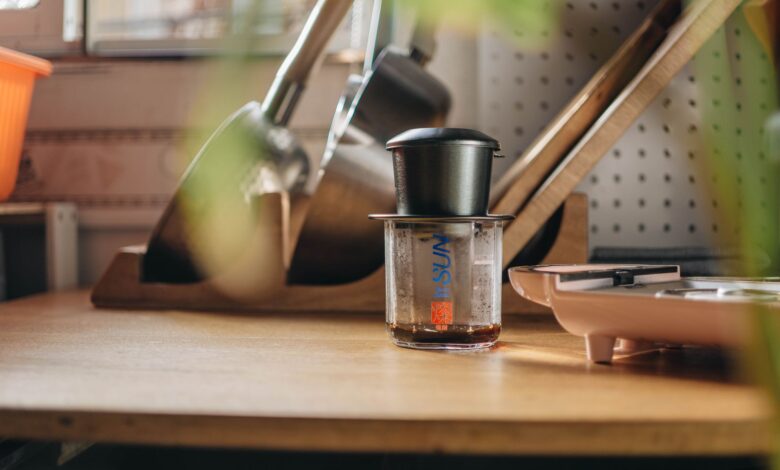
Hard Water and Your Coffee Maker: How Limescale Affects Performance and Which Filter Coffee Makers Resist Corrosion Best
Most Western seasoning guides insist on oven-baking with expensive flaxseed oil, but building a durable non-stick patina on an Indian cast iron tawa requires stovetop polymerization using high-smoke-point oils already in your kitchen. Success depends on matching the oil’s smoke point to your stovetop heat and managing ambient humidity during curing. According to [oil polymerization](https://cen.acs.org/food/food-science/Periodic-Graphics-chemistry-cast-iron/102/i9) principles, carbonization requires reaching exact…
Read More » -
Traditional & cast-iron cookware
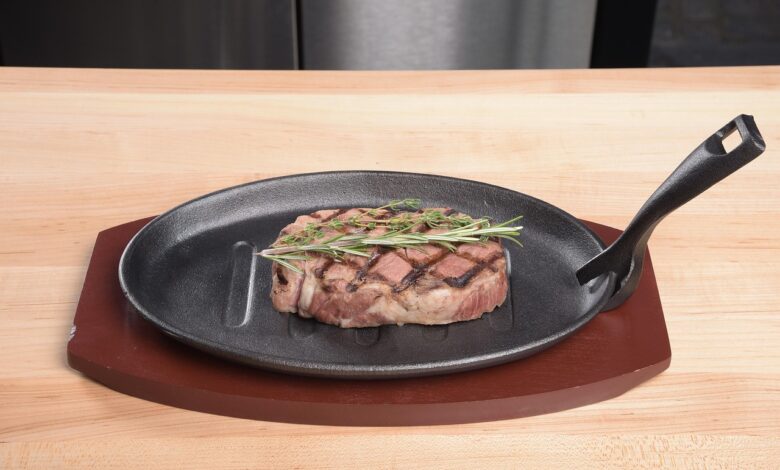
Bare Cast Iron vs Enamelled Cast Iron: Which Suits Your Indian Kitchen?
Bare cast iron wins on indestructibility and high-heat searing for Indian tempering, while enamelled cast iron wins on zero-maintenance and acidic gravy compatibility. The best choice depends entirely on your tolerance for seasoning upkeep versus the risk of enamel chipping under daily use. Matching cookware limits to your weekly rotation of dry roasts, wet gravies, and deep-fries solves this decision.…
Read More » -
Traditional & cast-iron cookware
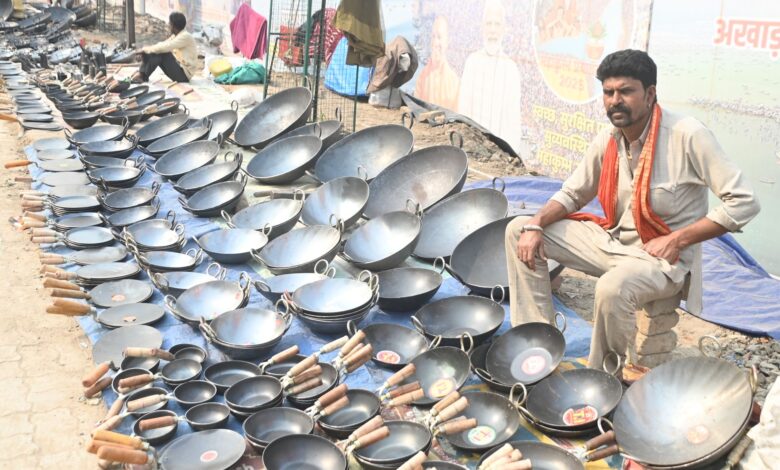
Cast Iron vs Stainless Steel vs Hard-Anodised for Indian Cooking
Choosing between cast iron, stainless steel, and hard-anodised kadhais isn’t about finding one single “best” metal, but matching three entirely different heating behaviors to your daily recipes. The right choice depends on whether your weekly rotation prioritizes the high-heat sear of a dry vegetable bhuna, the rapid temperature control of a mustard seed tadka, or low-maintenance convenience. Materials engineering standards…
Read More » -
Traditional & cast-iron cookware

How to Restore Rusted Cast Iron Cookware and Bring It Back to Life
A rusted cast iron kadai is almost never beyond saving, but aggressive methods like overnight vinegar baths can destroy the iron through severe pitting. Successfully restoring neglected cookware requires matching the stripping method to the exact corrosion depth, followed by immediate flash-rust prevention to stop re-oxidation. Metallurgical principles confirm that bare, stripped iron will [flash rust](https://cooking.stackexchange.com/questions/102866/fighting-flash-rust-on-cast-iron-pans) within seconds of exposure…
Read More » -
Traditional & cast-iron cookware
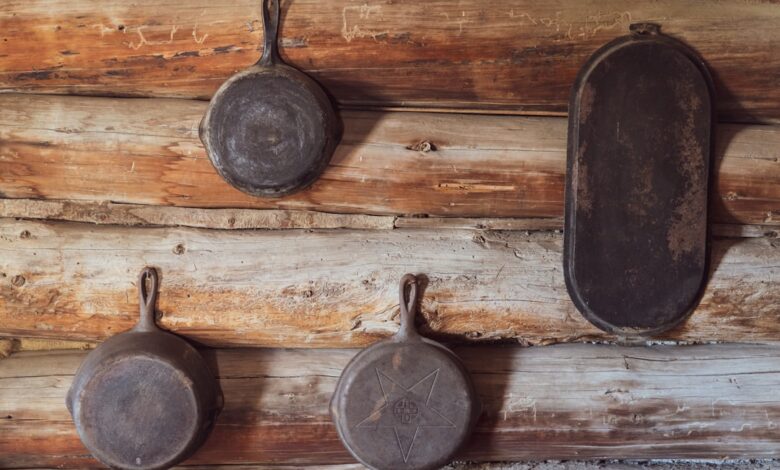
Cast Iron on Induction Cooktops: What Indian Buyers Must Check
Just because a magnet sticks to your cast iron kadai does not mean it is safe or effective for your glass induction cooktop. True compatibility requires a perfectly flat, machined base that maintains full contact with the glass surface to ensure efficient magnetic coupling and prevent physical damage. Appliance manufacturers warn that rough bottoms and heavy weights can easily scratch…
Read More » -
Traditional & cast-iron cookware
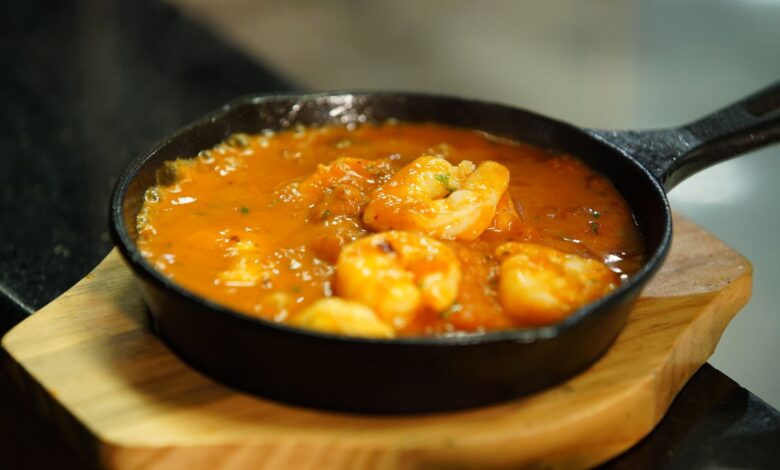
Can You Cook Acidic Indian Dishes in Cast Iron Cookware?
A well-built polymer layer on a cast iron kadai handles quick tomato tadkas easily, but the real danger lies in slow tamarind simmers. Navigating acidic Indian cooking requires matching simmer time and pH to your pan’s actual seasoning maturity rather than following blanket warnings. Experts confirm that while acid breaks down seasoning bonds and causes [trace metal molecules](https://www.americastestkitchen.com/articles/7499-can-you-cook-acidic-ingredients-in-cast-iron) to leach,…
Read More » -
Traditional & cast-iron cookware
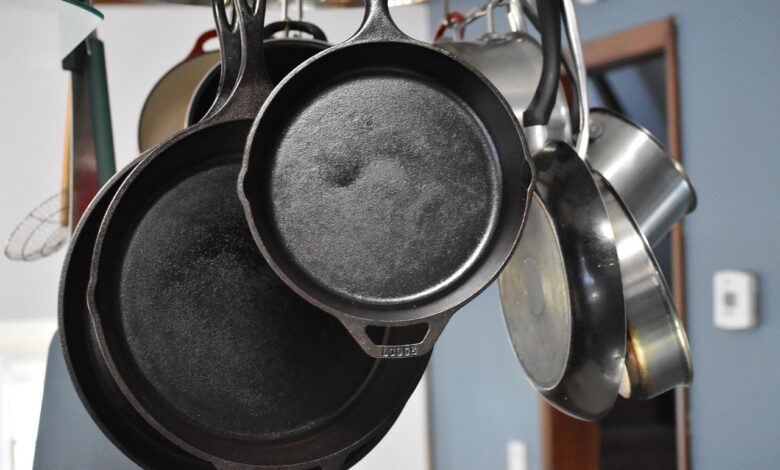
Pre-Seasoned vs Unseasoned Cast Iron Cookware: Which Is Right for You?
Most buying guides treat pre-seasoned cast iron as a pure upgrade, but in an Indian kitchen, that factory coating is often just shipping wax that flakes under high heat. Making the right choice requires comparing actual time saved against the durability of the initial polymer layer you receive out of the box. Factory pre-seasoning primarily aims to [prevent rust during…
Read More » -
Traditional & cast-iron cookware

Rust Prevention for Cast Iron Cookware in Humid Indian Weather
Most cast iron care guides offer a single rule for preventing rust, which is to wipe with oil and store. But in an Indian kitchen battling 90% monsoon humidity, that standard advice often creates a sticky, rancid mess rather than protection. True prevention requires matching your storage oil’s stability and cabinet airflow to actual moisture levels. Flash rust is a…
Read More » -
Traditional & cast-iron cookware
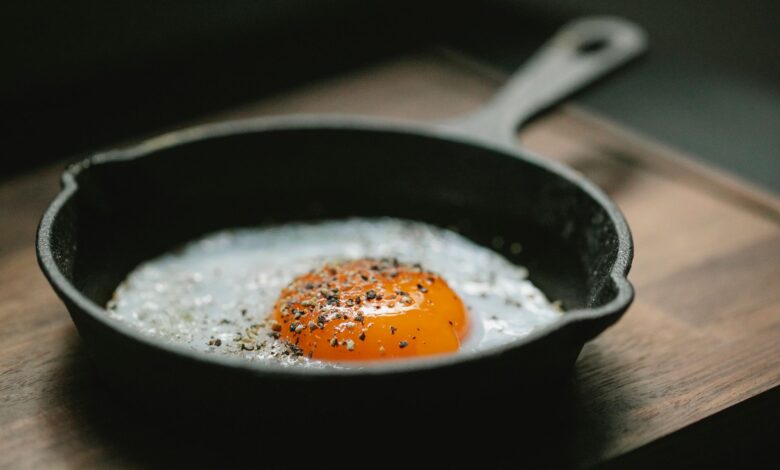
The Complete Guide to Seasoning Cast Iron Cookware for Indian Kitchens
Flaxseed oil gets most of the attention in seasoning guides, yet in an Indian kitchen that handles high-heat tadkas and tropical humidity, that costly import often builds the wrong kind of layer. A durable finish comes from pairing each oil to the heat your stove actually reaches, not from copying another kitchen’s routine. Past that heat line, [fat polymerization](https://www.thekitchn.com/finally-the-science-behind-seasoning-cast-iron-the-best-oil-to-use-182433) takes…
Read More » -
Traditional & cast-iron cookware
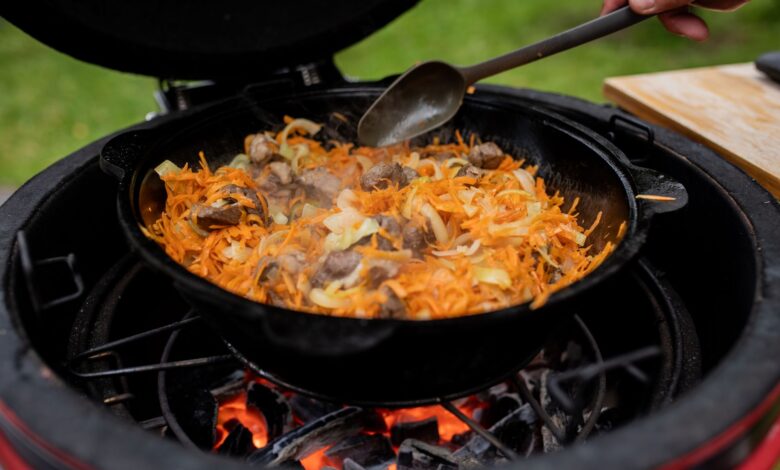
What Cast Iron Cookware Weight and Thickness Mean for Indian Cooking
A 24cm cast iron kadai weighing less than 2kg will almost certainly warp on high heat because insufficient mass cannot absorb thermal shock without distorting. The relationship between weight and thickness determines whether cookware survives daily Indian cooking or fails within months of regular use. Selecting durable cast iron requires matching specific weight benchmarks to vessel diameter rather than assuming…
Read More »