
Filter coffee & decoction equipment
-
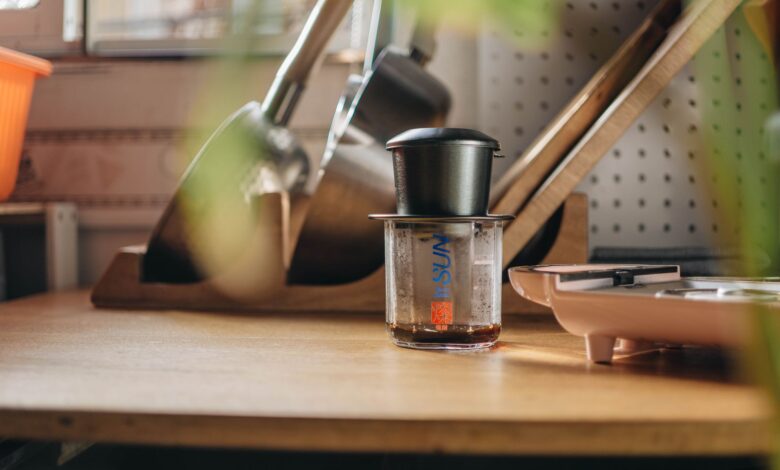
Hard Water and Your Coffee Maker: How Limescale Affects Performance and Which Filter Coffee Makers Resist Corrosion Best
Most Western seasoning guides insist on oven-baking with expensive flaxseed oil, but building a durable non-stick patina on an Indian cast iron tawa requires stovetop polymerization using high-smoke-point oils already in your kitchen. Success depends on matching the oil’s smoke point to your stovetop heat and managing ambient humidity during curing. According to [oil polymerization](https://cen.acs.org/food/food-science/Periodic-Graphics-chemistry-cast-iron/102/i9) principles, carbonization requires reaching exact…
Read More » -
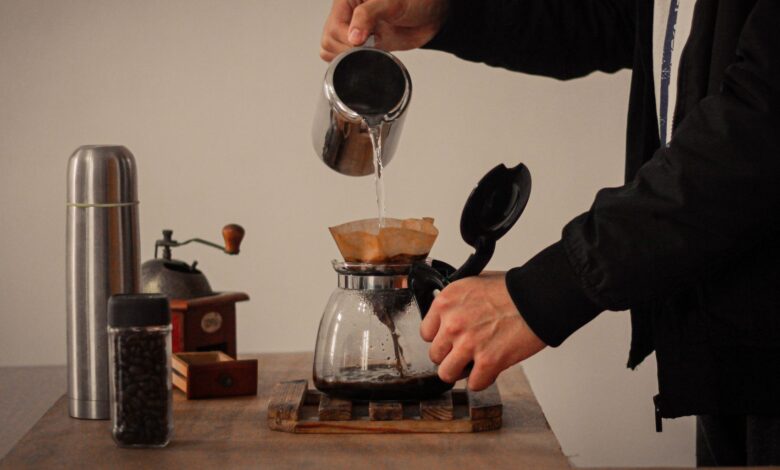
Filter Coffee Maker Under ₹500 vs Premium Models: A Cost-Per-Use and Durability Analysis for Indian Budgets
Spending twice as much on a premium South Indian filter does not guarantee a stronger brew or a longer lifespan, because the metal and mesh must actually suit your local water. True value only appears when you check the physical thickness, weigh the vessel, and divide the total cost across two years of daily use. India’s updated BIS utensil standard…
Read More » -
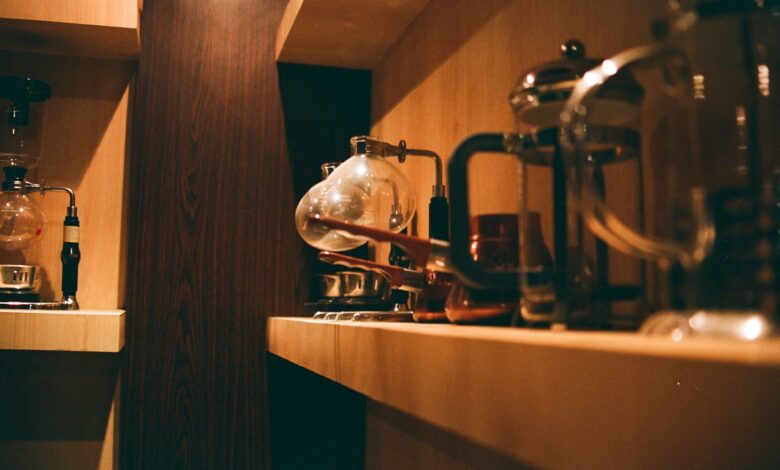
Spare Parts and Service Network: Evaluating the Long-Term Repairability of Filter Coffee Makers in India
A steel filter with a snapped handle or a percolator weeping from a tired seal usually leaves you looking at new units, because retail stores rarely stock the pieces that actually break. Finding where to buy spare parts for a filter coffee maker in India means skipping the showroom for third-party sellers, even though the Right to Repair portal mandates…
Read More » -
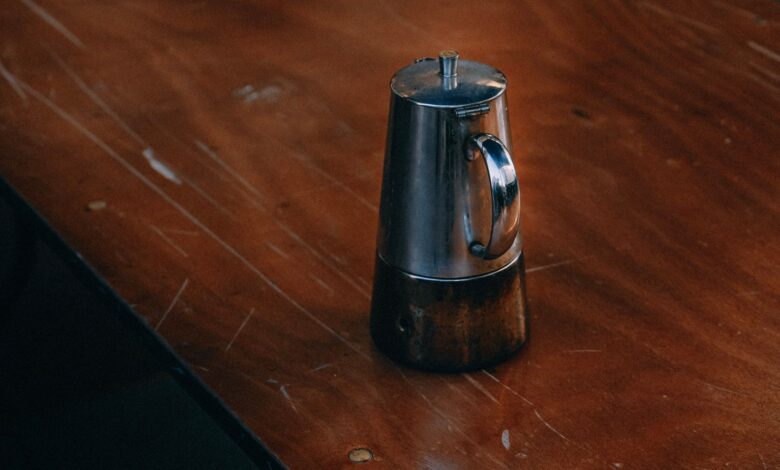
Brass vs Stainless Steel Filter Coffee Makers: Material Impact on Heat Retention and Flavor
Many South Indian households insist that brass makes better filter coffee. The reason may have less to do with the metal touching the brew than with how long the water stays hot inside it. Separate the question into three parts — heat retention, extraction effect, and food-contact safety — and the cultural loyalty debate becomes a solvable engineering problem. The…
Read More » -

Maintaining Your Filter Coffee Maker: Descaling, Mesh Cleaning, and Gasket Care for Hard-Water Areas
A South Indian filter that drips slowly or a percolator that leaks is rarely broken; it is usually choked by a combination of cooked-on coffee oils and hard-water scale that ordinary dish soap cannot dissolve. Restoring the original drip rate and seal means separating the washing of organic oils from the descaling of inorganic minerals, each with its own agent.…
Read More » -
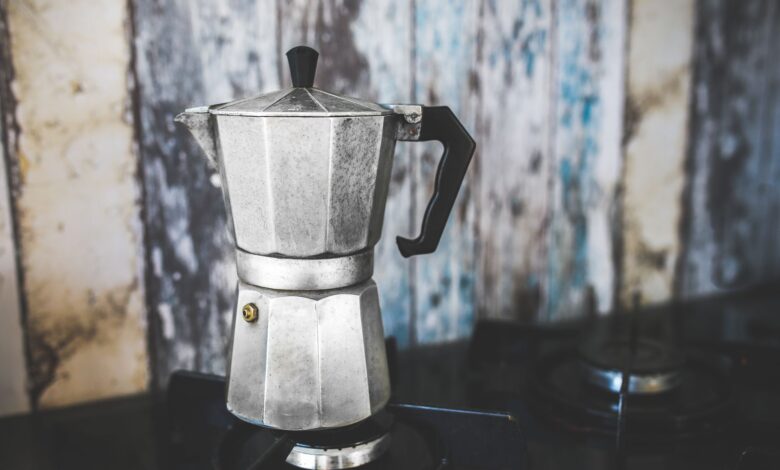
Electric Coffee Percolators and Moka Pots for Indian Filter Coffee: Which Brew Method Delivers Authentic Decoction?
Asking which electric coffee maker makes the best South Indian filter coffee decoction usually ends in disappointment, because standard drip machines pour a thin brew that vanishes into milk. The stovetop moka pot comes closest to traditional strength, and it gets there in a fraction of the time. The reason is pressure: a moka pot’s 1 to 2 bars of…
Read More » -
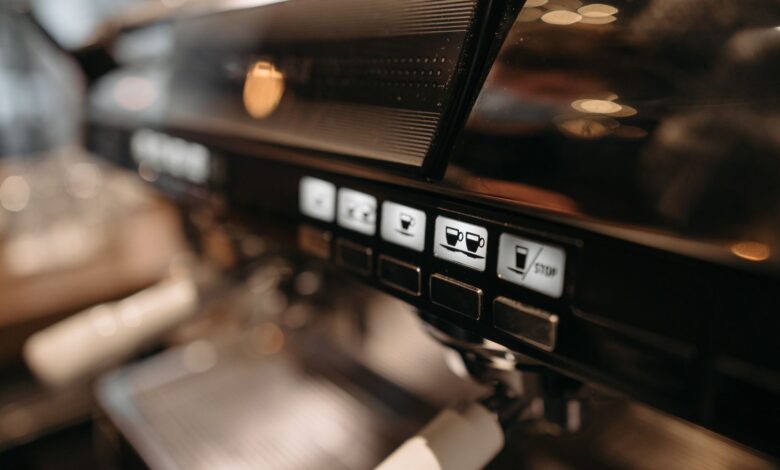
ISI Mark and Electrical Safety in Electric Coffee Makers: What Indian Buyers Must Check Before Purchase
Picture unboxing a new electric percolator: the steel body gleams, but the cord feels paper-thin and the plug pins lack the thick insulated sleeves a wet countertop demands. Shiny metal hides cheap wiring, so the real safety of the machine lives in the details you can check by hand. India’s earthing and moisture resistance tests under IS 302 are what…
Read More » -
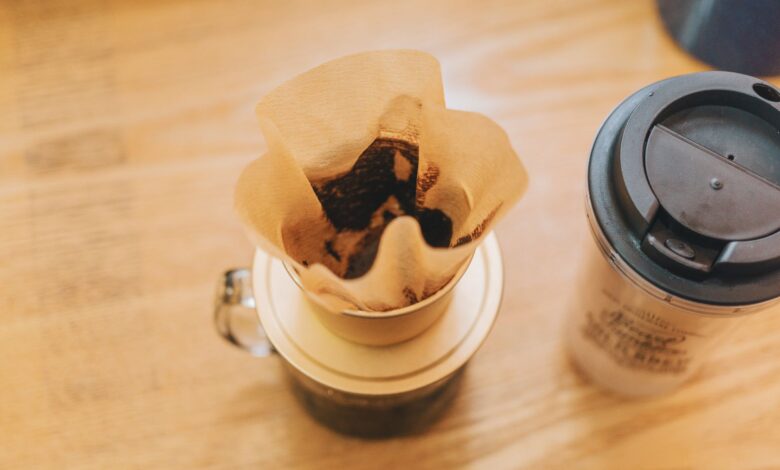
Understanding Capacity: Choosing the Right Filter Coffee Maker Size for Your Indian Household
Picture a family of four at 7 in the morning: the filter has just finished dripping, yet the coffee inside fills only two tumblers, so half the household waits through a second 15-minute brew. If you have ever asked what size filter coffee maker you need for your family, start by ignoring the cup count on the box and size…
Read More »