

-
Traditional & cast-iron cookware
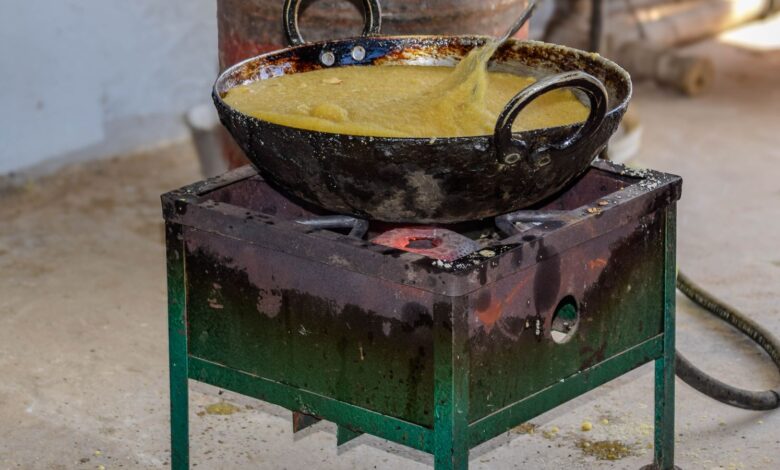
How to Judge Cast Iron Cookware Quality Before Buying in India
A quality cast iron kadai typically weighs between 2.5kg and 4kg for standard household sizes because sufficient mass prevents warping during high-heat tempering cycles. Lightweight vessels under 2kg often indicate thin casting or inferior alloys that develop hot spots and crack under thermal stress common in Indian cooking techniques. Evaluating cast iron cookware before purchase requires checking specific physical attributes…
Read More » -
Pressure cookers
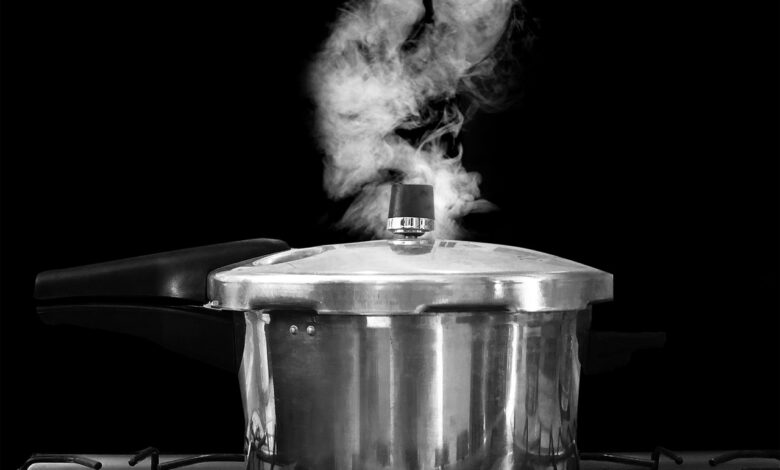
Pressure Cooker Whistle Noise Levels Compared: Which Brands Are Quieter for Morning and Evening Cooking?
Pressure cookers with spring-loaded silent valves produce significantly less noise than traditional weight-based models because they regulate steam release continuously rather than through sudden bursts. The difference lies in the valve mechanism itself, where controlled micro-venting replaces the sharp acoustic pulses that characterize conventional whistling pressure regulators during cooking cycles. Selecting a quieter cooker requires understanding how valve design affects…
Read More » -
Pressure cookers
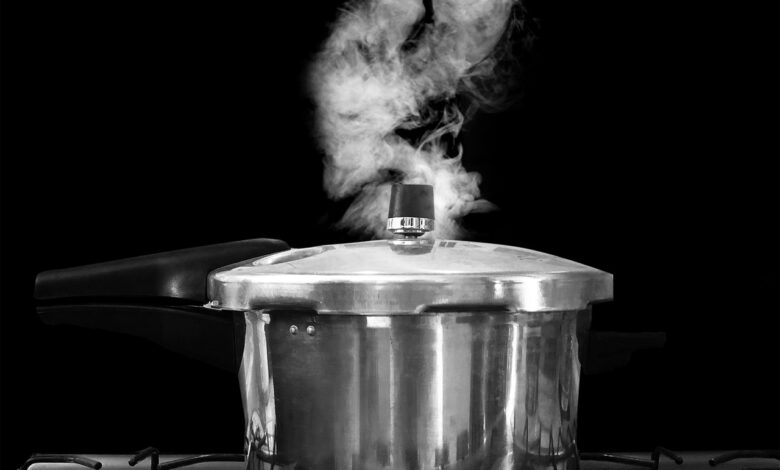
Replacing Your Pressure Cooker: How to Inspect a Used or Second-Hand Cooker Before Buying
A used pressure cooker is only safe if the lid locks smoothly and the base sits perfectly flat on a level surface without any wobble or rocking. These two physical checks reveal structural integrity issues that no amount of cleaning or new parts can fix, making them the non-negotiable first step in any inspection. Evaluating a second-hand vessel requires systematic…
Read More » -
Pressure cookers
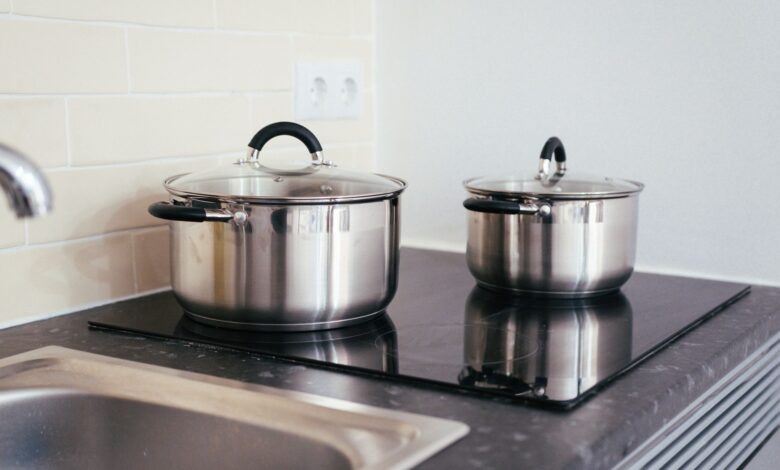
Induction-Compatible Pressure Cookers: What Changes in the Base Design and Does It Affect Cooking Performance?
Induction cooktops require a pressure cooker with a magnetic base plate, typically made from AISI 430 stainless steel, to generate the eddy currents necessary for heating. Standard non-magnetic stainless steel vessels will not activate the burner because they lack the ferrous material required to complete the electromagnetic circuit. Finding the best induction compatible pressure cooker for Indian cooking means selecting…
Read More » -
Pressure cookers
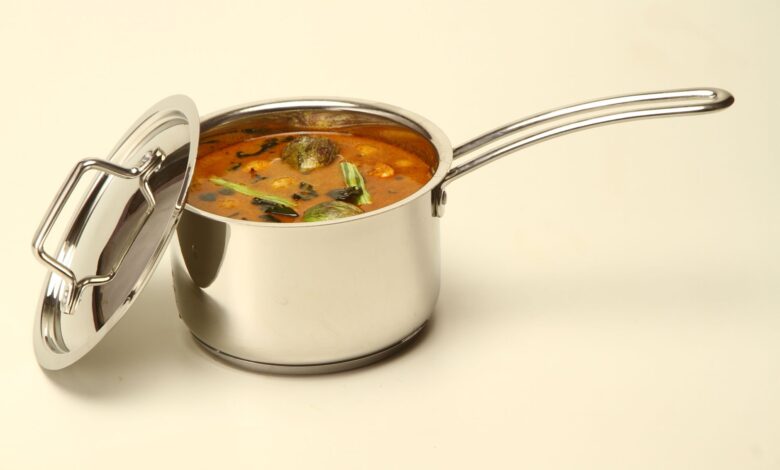
Stainless Steel Grade 304 vs 202 in Pressure Cookers: What Indian Buyers Need to Know About Food Safety and Durability
Induction cooktops require a pressure cooker with a magnetic base plate, typically made from AISI 430 stainless steel, to generate the eddy currents necessary for heating. Standard non-magnetic stainless steel vessels will not activate the burner because they lack the ferrous material required to complete the electromagnetic circuit. Finding the best induction compatible pressure cooker for Indian cooking means selecting…
Read More » -
Pressure cookers
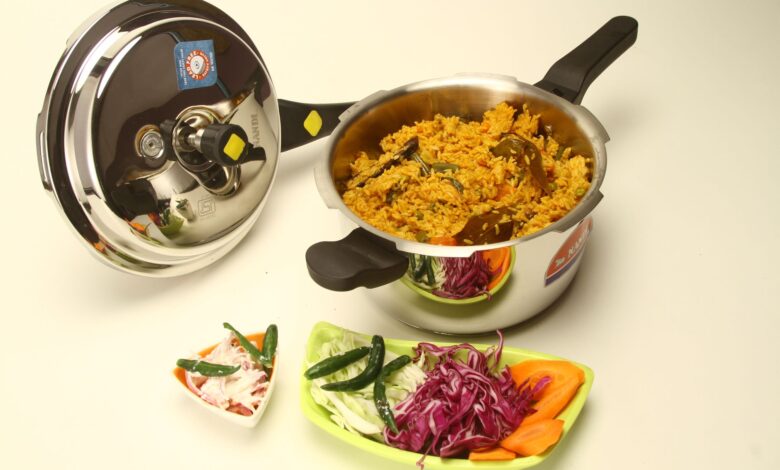
Stainless Steel Grade 304 vs 202 in Pressure Cookers: What Indian Buyers Need to Know About Food Safety and Durability
AISI 304 stainless steel is safer for pressure cookers than 202 grade because its higher nickel content creates a stable passive layer that resists corrosion from acidic foods and salt. This chemical stability prevents metal leaching during high-temperature cooking cycles where lower-grade alloys typically begin to degrade. Selecting the right cooker requires verifying the specific alloy composition rather than relying…
Read More » -
Pressure cookers
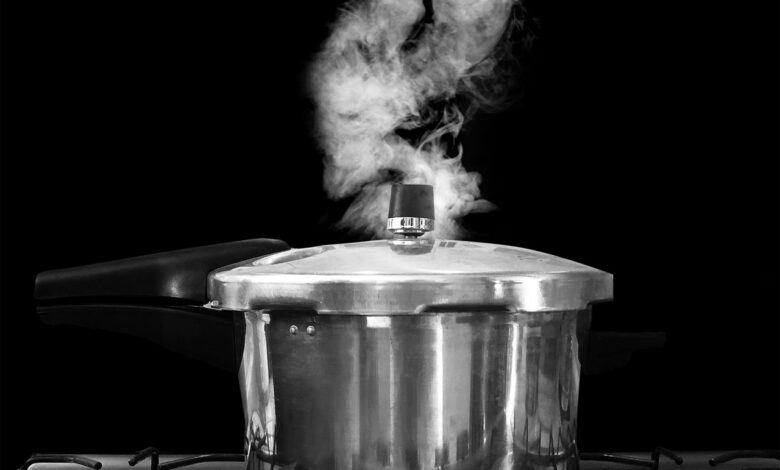
Stainless Steel Grade 304 vs 202 in Pressure Cookers: What Indian Buyers Need to Know About Food Safety and Durability
AISI 304 stainless steel is safer for pressure cookers than 202 grade because its higher nickel content creates a stable passive layer that resists corrosion from acidic foods and salt. This chemical stability prevents metal leaching during high-temperature cooking cycles where lower-grade alloys typically begin to degrade. Selecting the right cooker requires verifying the specific alloy composition rather than relying…
Read More » -
Pressure cookers
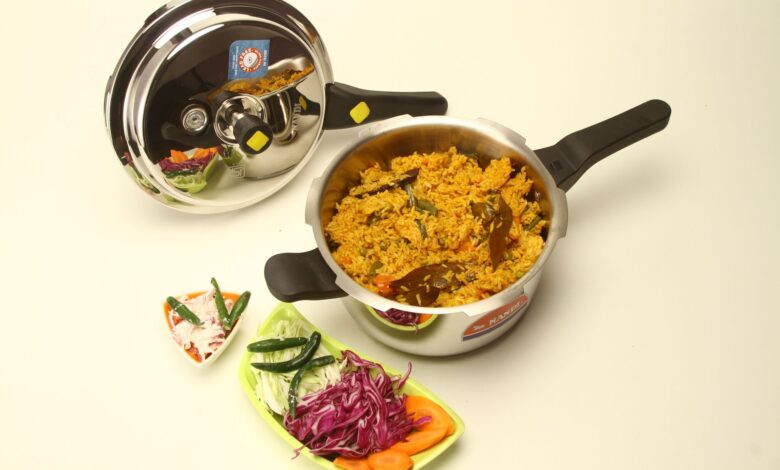
Five-Litre vs Three-Litre Pressure Cookers: Right-Sizing for Your Family Size and Cooking Volume
A 5-litre pressure cooker typically serves a family of four in India better than a 3-litre model because it accommodates both daily dal and rice with adequate headspace for safe pressurization. The extra capacity prevents overfilling during expansion-heavy cooking while remaining manageable on standard domestic gas stoves. Selecting the right size requires matching vessel volume to your specific meal patterns…
Read More » -
Pressure cookers
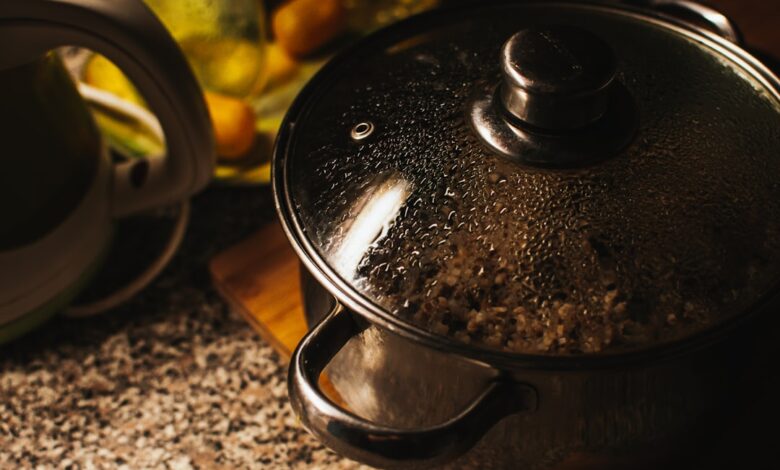
Hard Water and Your Pressure Cooker: How Mineral Deposits Affect Performance and How to Descale Properly
White spots inside a pressure cooker are mineral deposits left behind when hard water evaporates, not permanent damage to the metal itself. Removing them requires matching the cleaning agent to the specific type of buildup rather than relying on abrasive scrubbing that can dull stainless steel surfaces over time. The most effective approach uses mild food-grade acids like citric acid…
Read More » -
Pressure cookers
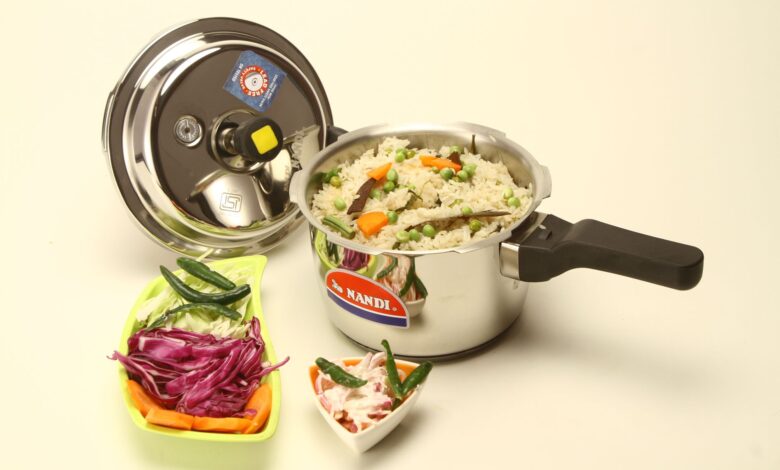
What the ISI Mark on a Pressure Cooker Actually Means — And Why It Matters for Your Safety
The ISI mark on a pressure cooker confirms the vessel meets specific safety and performance benchmarks defined under Indian Standard 2347, rather than serving as a generic quality badge. This certification validates that the cooker has passed rigorous testing for structural integrity, pressure regulation, and material safety before reaching retail shelves. Understanding this distinction helps buyers identify equipment that can…
Read More »