
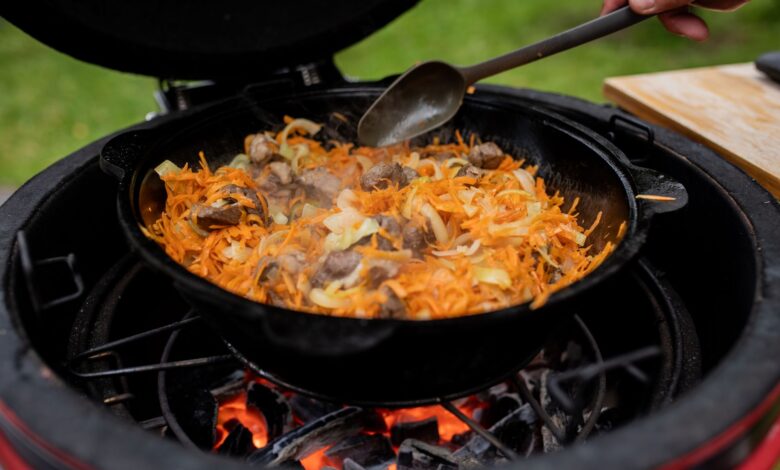
A 24cm cast iron kadai weighing less than 2kg will almost certainly warp on high heat because insufficient mass cannot absorb thermal shock without distorting. The relationship between weight and thickness determines whether cookware survives daily Indian cooking or fails within months of regular use.
Selecting durable cast iron requires matching specific weight benchmarks to vessel diameter rather than assuming heavier always means better performance. Technical standards like IS 1662 cast iron specifications define minimum wall thickness tolerances that separate functional cooking vessels from decorative pieces unsuitable for sustained high-temperature preparation with acidic ingredients.
Weight benchmarks by vessel type and size
Cast iron kadhais used for tadka and frying typically range from 2.5kg to 3.5kg for 24cm diameters, providing sufficient thermal mass for even heat distribution without excessive handling difficulty. Vessels below 2.2kg at this size indicate wall thickness under 3mm, creating hot spots that burn spices while leaving adjacent areas underheated during tempering operations requiring precise temperature control.
Tawas for roti and dosa require different weight-to-diameter ratios since flat surfaces demand uniform thickness across entire cooking area rather than concentrated base mass. A 28cm tawa should weigh 2.8kg to 3.2kg with consistent 4mm thickness throughout, ensuring even browning without cold zones that produce unevenly cooked breads or crepes during consecutive batch preparation.
Dutch ovens and deep pots follow volume-based weight calculations since vertical walls add significant mass beyond base dimensions alone. A 5-litre capacity vessel typically weighs 4.5kg to 5.5kg including lid, with wall thickness maintaining 4-5mm minimum to prevent cracking during oven-to-stovetop transitions common in biryani and slow-cooked meat preparations requiring extended heat exposure.

Thickness measurements and performance correlation
Wall thickness directly influences heat retention duration and recovery speed after adding cold ingredients to preheated surfaces. Measurements between 4mm and 5mm provide optimal balance for Indian cooking techniques, storing enough thermal energy to maintain temperature when onions or tomatoes hit hot oil while recovering sufficiently fast to prevent steaming instead of sautéing.
Base thickness often exceeds wall thickness by 1-2mm in quality castings to compensate for direct flame contact and prevent localized overheating at burner interface points. Verify base measurements separately from sidewalls since manufacturers sometimes reduce wall thickness to lower overall weight while maintaining adequate base mass, creating vessels that perform well initially but develop structural weaknesses over repeated thermal cycling.
Thickness consistency matters as much as absolute measurements since casting defects create thin spots that become failure points under stress. Run fingertips across interior surfaces to detect variations exceeding 0.5mm between adjacent areas, indicating poor mold control or rushed cooling processes that compromise long-term durability regardless of average thickness specifications meeting nominal requirements.
Evaluating casting quality beyond weight specifications
Surface finish reveals manufacturing precision more reliably than weight alone since smooth interiors indicate careful mold preparation and controlled pouring temperatures. Rough textures with visible sand inclusions suggest inadequate cleaning or improper alloy temperatures during casting, creating porosity that traps moisture and accelerates rust formation despite adequate seasoning attempts by end users.
Seam lines running vertically along vessel sides should be nearly invisible to touch in properly finished castings, indicating secondary machining or grinding operations removed mold parting evidence. Prominent seams felt as ridges under fingertips signal skipped finishing steps that leave stress concentration points where cracks initiate during thermal expansion cycles common in daily cooking routines.
Handle attachment integrity deserves equal scrutiny since cast-in handles bear significant loads during lifting despite appearing monolithic with vessel body. Inspect junction areas for visible gaps, incomplete fusion, or reinforcement ribs suggesting post-casting welding rather than true integral casting, as welded attachments frequently fail at bond lines after months of heating and cooling stresses from regular use.
| Vessel Type | Size Range | Target Weight | Min Thickness |
|---|---|---|---|
| Kadai | 24–26 cm | 2.5–3.5 kg | 4 mm walls / 5 mm base |
| Tawa | 26–30 cm | 2.8–3.5 kg | 4 mm uniform |
| Dutch Oven | 5–7 litre | 4.5–6.0 kg | 4–5 mm walls / 6 mm base |
| Appachetty | Standard | 1.8–2.2 kg | 3.5–4 mm uniform |
Practical verification methods before purchase
Bring a small digital scale when shopping in person to verify listed weights match actual measurements since manufacturer specifications sometimes reflect ideal conditions rather than production reality. Discrepancies exceeding 15% below stated weight indicate either specification inflation or inconsistent casting processes that produce variable quality across batches from same supplier.
Request thickness measurements at multiple points if buying online since product photos cannot reveal dimensional accuracy critical for performance assessment. Reputable sellers provide caliper readings from rim, mid-wall, and base locations upon request, while evasive responses or refusal to measure suggest awareness of substandard specifications they prefer customers discover only after purchase completion.
Test handle balance by gripping vessel empty and simulating pouring motion to evaluate weight distribution ergonomics before committing to heavy pieces intended for frequent use. Poorly balanced castings concentrate mass away from grip point, making full vessels dangerously unwieldy during transfer operations despite meeting weight and thickness specifications on paper measurements alone.
Making Informed Purchase Decisions
Quality cast iron selection depends on verifying weight-to-diameter ratios meet minimum benchmarks for intended cooking applications rather than trusting marketing claims about traditional craftsmanship or heritage manufacturing methods. Measure thickness at multiple points and confirm surface finish quality through tactile inspection before purchasing, whether buying locally or ordering online with return options available. Investing time in thorough pre-purchase evaluation prevents acquiring undersized vessels that fail prematurely under normal Indian cooking conditions, ultimately saving money through extended service life and consistent cooking results.
Frequently Asked Questions
Does heavier cast iron always mean better cooking performance?
Excessive weight beyond functional requirements indicates inefficient design rather than superior quality since optimal thickness balances heat retention with responsive temperature control. Compare weight-to-diameter ratios against established benchmarks for specific vessel types rather than assuming maximum mass equals maximum performance or durability.
Can thin cast iron work for occasional light cooking?
Vessels under minimum thickness specifications develop hot spots and warp regardless of usage frequency since thermal stress occurs during every heating cycle. Light-duty cooking still requires adequate mass for safe operation; consider carbon steel alternatives if weight concerns outweigh cast iron benefits for your specific cooking patterns.
How do I verify cast iron thickness without specialized tools?
Compare vessel weight against published benchmarks for identical sizes since mass correlates directly with material volume when dimensions remain constant. Significant underweight readings indicate reduced thickness even without caliper measurements, signaling potential performance issues before purchase commitment.
Why do two same-size kadhais have different weights?
Weight variations reflect differences in wall thickness, base reinforcement, or alloy density between manufacturers targeting different price segments or use cases. Heavier versions typically offer better heat distribution and durability for daily cooking while lighter options suit occasional use where portability matters more than thermal performance.
