
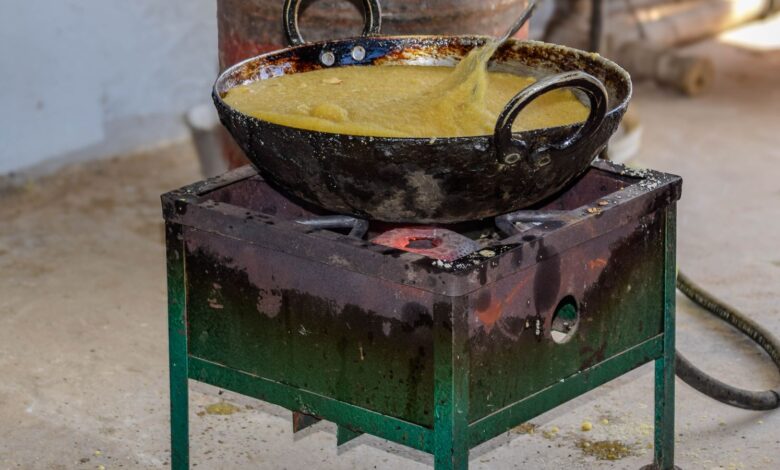
A quality cast iron kadai typically weighs between 2.5kg and 4kg for standard household sizes because sufficient mass prevents warping during high-heat tempering cycles. Lightweight vessels under 2kg often indicate thin casting or inferior alloys that develop hot spots and crack under thermal stress common in Indian cooking techniques.
Evaluating cast iron cookware before purchase requires checking specific physical attributes rather than relying on brand reputation or marketing claims about traditional manufacturing methods. Standards like IS 1662 cast iron specifications define minimum thickness tolerances and material composition requirements that separate durable cooking vessels from decorative pieces unsuitable for daily high-temperature use with acidic ingredients.
Weight and thickness benchmarks for functional cookware
Cast iron kadhais intended for regular stove-top cooking should measure at least 4mm wall thickness at the rim and 5-6mm at the base to ensure even heat distribution during tadka preparation. Thinner sections create localized overheating that burns spices while leaving adjacent areas underheated, producing inconsistent flavor development that no amount of technique adjustment can fully compensate for during active cooking.
Base flatness matters significantly for induction compatibility and gas burner contact efficiency since warped bottoms reduce effective heating surface area by 30-40% on modern cooktops. Place the vessel on a known-flat surface and attempt to rock it gently; any detectable movement indicates casting defects or thermal damage from previous misuse that compromises performance regardless of other quality indicators present in the piece.
Weight-to-diameter ratios provide quick quality assessment without specialized measurement tools since legitimate manufacturers maintain consistent density across product lines. A 24cm kadai weighing less than 2.8kg almost certainly uses thinner walls than recommended for sustained high-heat cooking, while pieces exceeding 4.5kg at this size may indicate excessive material that slows heating response unnecessarily for home kitchen applications.

Surface finish quality and seasoning integrity
Pre-seasoned cookware should display uniform dark patina without sticky residues, bare metal patches, or flaking layers that indicate improper polymerization during factory treatment. Run fingertips across interior surfaces to detect roughness variations suggesting incomplete sand casting cleanup or rushed seasoning processes that leave microscopic pores exposed to moisture and acidic food contact during cooking.
Unseasoned raw cast iron requires verification of clean machining marks and absence of rust inhibitors or industrial coatings not rated for food contact safety. Some manufacturers apply temporary protective waxes or oils that must be completely removed before initial seasoning; failure to identify these treatments results in contaminated first seasoning layers that peel unpredictably during subsequent high-heat use with oil-based preparations.
Interior texture affects both non-stick performance development and cleaning ease over the vessel’s operational lifetime. Moderately smooth finishes achieved through mechanical polishing accept seasoning more readily than rough as-cast surfaces, while excessively polished interiors may struggle to build durable polymerized layers due to reduced mechanical anchoring points for carbonized oil films essential to long-term non-stick functionality.
Handle construction and attachment durability
Integral cast handles formed as single continuous pieces with the vessel body eliminate mechanical fastener failure points that plague riveted or welded alternatives under repeated thermal cycling. Inspect handle junctions for visible seams, porosity, or incomplete fusion that suggests secondary attachment methods rather than true monobloc casting, since these weaknesses typically manifest as cracks after months of regular heating and cooling cycles.
Handle geometry influences safe lifting ergonomics when vessel contains hot liquids or heavy food loads during transfer operations. Adequate clearance between handle and pot wall prevents knuckle burns during gripping, while sufficient cross-sectional thickness maintains structural rigidity without excessive weight concentration that creates imbalance during pouring motions requiring two-handed control for stability.
Secondary helper handles on larger kadhais deserve equal scrutiny since they bear significant load during lifting despite smaller attachment footprints. Verify these auxiliary grips show identical casting quality and integration standards as primary handles, as manufacturers sometimes compromise on secondary features to reduce production costs without disclosing reduced load capacity ratings that affect safe handling limits.
| Parameter | Acceptable Range | Red Flags |
|---|---|---|
| Wall Thickness | 4–6mm minimum | <3mm or uneven casting |
| Base Flatness | No rocking on flat surface | Visible warp or wobble |
| Surface Finish | Uniform texture, no bare spots | Flaking, stickiness, rust |
| Handle Integration | Seamless monobloc casting | Visible welds, rivets, seams |
Certification marks and manufacturer documentation
Legitimate ISI certification marks stamped directly into cast iron indicate compliance with Indian Standard specifications for material composition and dimensional tolerances relevant to cooking safety. Verify mark authenticity through BIS online databases since counterfeit certifications appear frequently on unverified marketplace listings where sellers cannot provide traceable batch numbers or test reports supporting their claims.
Manufacturer documentation should specify exact alloy grades, seasoning oil types used, and maximum recommended operating temperatures for each product variant. Absence of these technical details suggests either proprietary formulations protected as trade secrets or generic sourcing from multiple suppliers with inconsistent quality control standards that make performance predictions unreliable across different production batches.
Warranty terms reveal manufacturer confidence in product durability since comprehensive coverage against casting defects and premature seasoning failure indicates rigorous internal testing protocols. Limited warranties excluding thermal damage or normal wear suggest anticipated failure modes the company expects but chooses not to prevent through design improvements, making such products higher-risk purchases despite lower initial acquisition costs.
Making Informed Purchase Decisions
Quality cast iron cookware selection depends on verifying measurable physical attributes including minimum 4mm wall thickness, flat base geometry, and seamless handle integration rather than trusting visual appeal or seller descriptions alone. Bring basic measurement tools when inspecting pieces in person or request detailed photographs with scale references from online sellers before committing to purchases lacking return options. Investing time in thorough pre-purchase evaluation prevents acquiring substandard vessels that fail prematurely under normal cooking conditions, ultimately saving money through extended service life and consistent cooking performance.
Frequently Asked Questions
How do I verify if cast iron cookware is genuinely pre-seasoned?
Genuine pre-seasoning displays uniform dark coloration without sticky residue or bare metal patches visible under bright lighting. Rub a white cloth across interior surfaces; clean results indicate proper polymerization while oily transfers suggest incomplete curing requiring additional home seasoning before first use.
Does heavier cast iron always mean better quality?
Excessive weight beyond functional requirements indicates inefficient design rather than superior quality since optimal thickness balances heat retention with responsive temperature control. Compare weight-to-diameter ratios against established benchmarks for specific vessel types rather than assuming maximum mass equals maximum durability or cooking performance.
Can I use cast iron on induction cooktops safely?
Cast iron works excellently on induction provided the base remains perfectly flat for full magnetic coupling without air gaps reducing efficiency. Test flatness before purchase since warped bottoms cause uneven heating patterns and potential cooktop error messages when sensors detect insufficient contact area during operation.
What causes new cast iron to have rough interior texture?
Rough surfaces result from incomplete sand mold cleanup during casting or intentional texturing to improve seasoning adhesion through mechanical anchoring. Smooth out minor roughness through progressive seasoning cycles with thin oil layers baked at high temperatures, avoiding aggressive sanding that removes beneficial surface profile needed for durable polymer buildup.

One Comment