
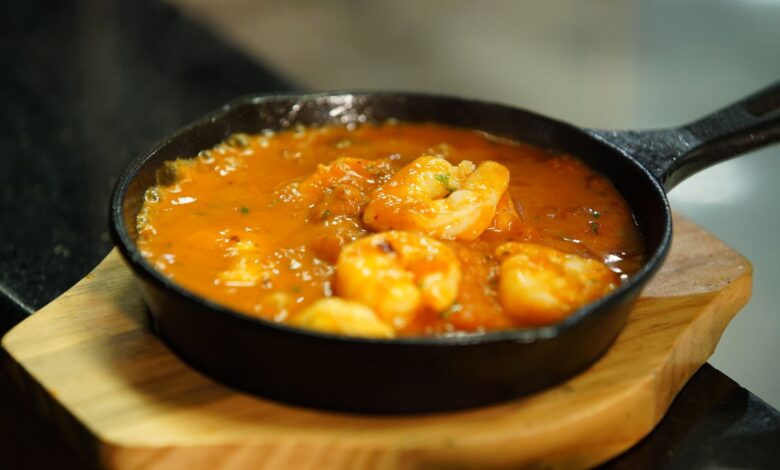
A well-built polymer layer on a cast iron kadai handles quick tomato tadkas easily, but the real danger lies in slow tamarind simmers. Navigating acidic Indian cooking requires matching simmer time and pH to your pan’s actual seasoning maturity rather than following blanket warnings.
Experts confirm that while acid breaks down seasoning bonds and causes [trace metal molecules](https://www.americastestkitchen.com/articles/7499-can-you-cook-acidic-ingredients-in-cast-iron) to leach, mature patinas resist brief exposure. Prolonged simmering of kokum or tamarind eventually strips polymer bonds, altering flavor and posing risks for those with iron overload. Mastering exact time-thresholds turns a fragile pan into a versatile workhorse that knows when to yield to stainless steel.
The chemistry of acidic food and cast iron
Cast iron is fundamentally porous, and its seasoning is essentially a plasticized fat network filling those microscopic voids. When highly acidic ingredients like tamarind, kokum, or tomatoes enter the pan, the acid attacks the molecular bonds holding this polymer layer together. If the seasoning is thin or newly applied, this chemical assault penetrates the barrier and reaches bare iron pores.

This penetration triggers a reaction that strips the [seasoned coating](https://www.epicurious.com/expert-advice/what-not-to-cook-in-a-cast-iron-skillet-article) and releases trace metal molecules into the food. Buyers who cook acidic curries in new pans consistently notice metallic flavors, because the incomplete polymer network lacks the density to block ionic transfer. A mature, multi-layered patina acts differently; its cross-linked structure functions as a robust, glass-like shield that resists acidic hydrolysis during brief high-heat exposure.
The time-threshold for tomato gravy and tamarind curry
Acid damage is cumulative, making duration the critical variable for Indian cooking methodologies. A five-minute high-heat tomato tadka or ten-minute bhuna typically won’t penetrate a well-built polymer layer. However, simmering acidic ingredients for longer periods imparts metallic taste and removes seasoning, so cooking time should generally stay [below 30 minutes](https://fieldcompany.com/blogs/journal/cooking-acidic-ingredients-in-cast-iron-cookware) for wet curries.
The distinction between “cooking through” and “simmering” defines safety. Rapid evaporation during a bhuna concentrates flavor without giving acid sufficient dwell time to degrade the surface. Conversely, a 45-minute sambar simmer keeps the pan at the upper limit of what cast iron can tolerate; most manufacturers suggest acidic foods shouldn’t remain in contact for more than [about 45 minutes](https://www.lodgecastiron.com/blogs/story/3-tips-for-cooking-acidic-foods-cast-iron) to prevent significant impact.
Leaving acidic curries to cool in the kadai or storing them overnight guarantees severe stripping. As the liquid cools, it contracts and pulls moisture into the iron’s pores, accelerating hydrolysis even without active heat. If a prolonged simmer does compromise your pan’s surface, the complete guide to [seasoning cast iron cookware for Indian kitchens](https://kitchengeek.in/the-complete-guide-to-seasoning-cast-iron-cookware-for-indian-kitchens/) provides the exact protocol needed to rebuild the polymer layer effectively.
The timeline below illustrates how seasoning integrity degrades relative to acidic exposure duration.
Progression timeline showing safe, caution, and damage zones for acidic cooking in cast iron based on estimated exposure duration.
This framework clarifies why timing matters more than ingredient prohibition; a mature pan survives the safe zone indefinitely but yields to the damage zone regardless of seasoning quality.
Why “never cook tomatoes” is misleading advice
Blanket prohibitions against acidic foods often terrify new cast iron owners unnecessarily. Food scientists [dispel the myth](https://news.vt.edu/articles/2024/08/cast-iron-myths.html) that you should never cook acidic foods in cast iron, noting that a well-seasoned pan protects the iron from acid damage. This outdated rule stems from testing performed on poorly seasoned, brand-new, or factory-coated pans lacking mature polymer barriers.
A well-maintained, heavily used kadai operates under different chemical rules than a fresh one. Its thickened patina provides sufficient buffer capacity to handle brief acidic exposure required for most daily dry sabzis and quick curries. Buyers who avoid tomatoes entirely often miss out on cast iron’s superior searing capabilities for these dishes, because they conflate fragile new-pan behavior with the resilience of established cookware.
Iron leaching and food safety in the Indian diet
Acidic ingredients dramatically increase dietary iron transfer from pan to food, creating both nutritional opportunity and sensory risk. Cooking in cast iron adds [significant amounts of iron](https://whatscookingamerica.net/information/ironcastiron.htm) to food, a process accelerated by low pH environments like tamarind-based gravies. In populations with high anemia prevalence, this passive supplementation can serve as a beneficial dietary intervention during meal preparation.

However, this benefit carries contraindications for specific health profiles. Cast iron pans can leach iron which may be a [risk of iron overload](https://examine.com/faq/are-cast-iron-pans-unsafe/) for individuals with hemochromatosis or those already consuming high-iron diets. Beyond health, excess leaching creates harsh metallic astringency that ruins delicate flavor balances in dishes like lemon rice or subtle rasams. Wear patterns on frequently used kadhais often show dull grey patches where repeated acidic cooking has etched the surface, signaling increased reactivity and potential flavor transfer.
Cast iron acidic food cooking guide and safe/avoid dish list
Use the table below to map common Indian acidic dishes to their approximate risk profiles and safe cooking windows. Time thresholds are estimated based on typical acidity levels and should be adjusted based on your pan’s specific seasoning maturity and the dish’s actual sourness.
| Dish name | Acidity level | Safe cast iron cook time (estimated) | Recommended alternative if exceeded |
|---|---|---|---|
| Tomato bharta | Moderate | 15–20 minutes | Stainless steel for long roasts |
| Sambar / rasam | High | Avoid or <10 min finish | Tri-ply stainless / enamelled |
| Kadhi (yogurt) | Moderate-high | 15–20 minutes | Non-reactive vessel for simmering |
| Lemon rice | High (finish) | 2–3 minutes toss only | Add lemon off-heat in any vessel |
| Kokum fish curry | Very high | Avoid entirely | Enamelled cast iron / clay pot |
Deglazing protocol differs fundamentally from simmering. A quick splash of lemon juice or tamarind water added in the final two minutes to lift fond will not harm a well-seasoned pan, provided the liquid reduces quickly. Never add acidic liquids to a cold pan or allow them to sit off-heat, as dwell time without evaporation accelerates polymer breakdown far faster than active cooking.
The table reveals that acidity alone doesn’t dictate safety; the combination of pH, duration, and thermal state determines whether cast iron enhances or ruins the dish. Dishes in the “avoid” category aren’t forbidden forever—they simply require transferring to a non-reactive vessel once the initial spice bloom and sear are complete in the kadai.
The bottom line
Cast iron handles brief acidic exposure safely when the seasoning is mature, but prolonged simmers strip the polymer layer and alter flavor. Match your dish’s simmer time to the safe zones outlined above, switching to stainless steel for anything exceeding 30 minutes of active acid contact. Ignoring these thresholds guarantees metallic-tasting food and forces frequent re-seasoning cycles that interrupt regular cooking.
Frequently Asked Questions
Does cooking acidic food in cast iron ruin the pan permanently?
Acidic foods strip the polymerized oil layer but do not permanently damage the iron itself. Scrubbing away the compromised seasoning and executing a standard re-seasoning protocol fully restores the pan’s original non-stick surface and protective barrier.
Is the metallic taste from cast iron tomato curry harmful to consume?
Metallic taste indicates trace iron leaching, which is generally non-toxic and can supplement dietary iron for anemic individuals. However, the astringent flavor ruins culinary balance, and those with hemochromatosis should avoid consuming food cooked in reactive vessels.
Should I use stainless steel or enamelled cast iron for daily sambar and tamarind curries?
Non-reactive vessels like tri-ply stainless steel or enamelled cast iron are superior for dishes requiring prolonged simmers with tamarind, kokum, or raw mango. These materials prevent both metallic flavor transfer and progressive degradation of the cooking surface during extended acidic exposure.
Can I deglaze a cast iron kadai with lemon juice or tamarind water?
A quick splash added in the final two minutes to lift fond will not harm a well-seasoned pan if reduced immediately. Problems arise only when acidic liquids sit off-heat or simmer extensively, allowing dwell time to break down polymer bonds without protective evaporation.

One Comment