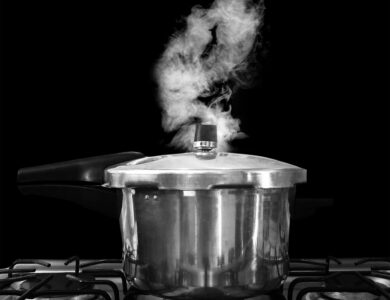
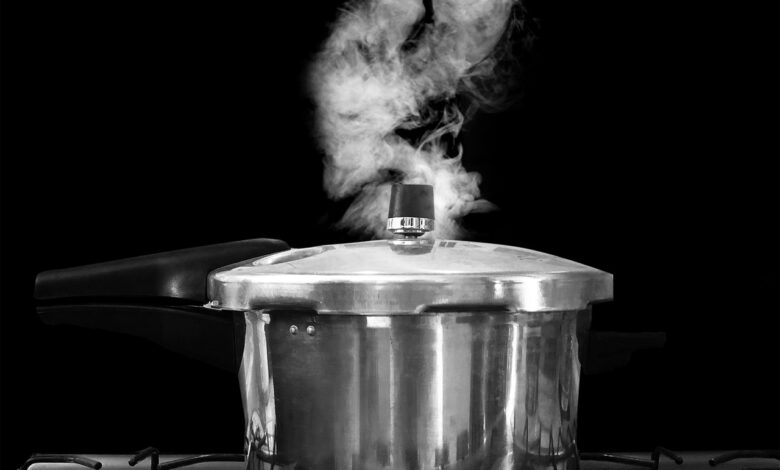
A used pressure cooker is only safe if the lid locks smoothly and the base sits perfectly flat on a level surface without any wobble or rocking. These two physical checks reveal structural integrity issues that no amount of cleaning or new parts can fix, making them the non-negotiable first step in any inspection.
Evaluating a second-hand vessel requires systematic verification of safety components rather than relying on visual cleanliness or seller assurances about maintenance history. Safety standards like IS 2347 pressure cooker specifications define critical tolerances for lid sealing surfaces and base flatness that determine whether a used unit can safely contain steam pressure during normal cooking cycles without risking catastrophic failure.
Inspecting the lid locking mechanism and seal alignment
The lid must rotate into locked position with consistent resistance throughout the entire engagement arc, never binding at specific points or requiring excessive force to achieve full closure. Uneven rotation indicates warped locking lugs or deformed pot rims from previous overheating incidents that compromise seal integrity regardless of gasket condition or replacement frequency.
Sealing surfaces on both lid and pot rim should feel smooth and continuous when traced with a fingertip, showing no nicks, dents, or corrosion pitting that creates steam escape paths. Even minor surface damage prevents uniform gasket compression during pressurization, forcing safety valves to vent continuously while preventing proper pressure buildup needed for efficient cooking performance.
Buyers should test lock engagement multiple times from different starting positions to verify consistent operation across all alignment scenarios. Intermittent sticking or variable resistance signals fatigue cracks developing in locking mechanisms that may fail catastrophically under pressure despite appearing functional during casual pre-purchase testing sessions.

Testing base flatness and detecting thermal damage
Place the empty cooker on a known-flat surface like glass or granite countertop and attempt to rock it gently by pressing alternately on opposite rim edges. Any detectable movement indicates base bulging from dry-burn incidents or manufacturing defects that prevent stable heat transfer and create dangerous hot spots during subsequent cooking operations.
Examine the exterior base surface for discoloration patterns, particularly blue-black oxidation rings or rainbow-colored heat tint marks that signal previous overheating beyond safe temperature limits. These thermal signatures document abuse that weakens aluminum grain structure and reduces burst strength even when dimensional measurements appear within acceptable tolerances during visual inspection.
Interior base examination reveals additional thermal history through localized pitting, erosion patterns, or fused food residue that resisted normal cleaning procedures. Such damage concentrates stress during pressure cycling and accelerates crack propagation along weakened grain boundaries, creating failure points invisible to casual observers but readily apparent to experienced inspectors familiar with metallurgical degradation patterns.
Evaluating safety valve function and vent clearance
Primary weight valves must move freely in their seats without sticking, binding, or showing corrosion deposits that impede responsive pressure regulation during heating cycles. Restricted valve movement causes erratic pressure control that either vents excessively (preventing proper cooking) or fails to release adequately (creating overpressure conditions that exceed design safety margins).
Secondary safety plugs and backup vent holes require careful inspection for blockages from carbonized food residues, mineral scale accumulation, or mechanical damage from improper cleaning tools. Obstructed secondary pathways eliminate redundant protection systems designed to prevent vessel rupture when primary regulation fails, converting manageable malfunctions into potentially explosive hazards during unattended cooking.
Fusible plugs in older models warrant particular scrutiny since these temperature-sensitive alloys degrade over time and lose calibrated melting points after repeated thermal cycling. Units showing signs of previous plug activation (melted alloy residue around vent openings) have experienced dangerous overheating events that likely compromised other safety systems even if external damage appears minimal during superficial examination.
| Component | Acceptable Condition | Reject Criteria |
|---|---|---|
| Lid Lock | Smooth full rotation | Binding, sticking, uneven resistance |
| Base Flatness | No rocking on flat surface | Any wobble or visible bulging |
| Sealing Surfaces | Smooth, continuous contact area | Nicks, dents, corrosion pitting |
| Safety Valves | Free movement, clear passages | Sticking, blockage, melted fusible plug |
Assessing gasket seating and handle attachment integrity
Gasket channels must be clean and undamaged with uniform depth around the entire circumference to ensure consistent seal compression during pressurization. Corroded, dented, or deformed channels prevent proper gasket seating even with new replacement rings, causing chronic leaking that worsens progressively as channel damage accelerates under repeated thermal cycling stresses.
Handle attachments deserve careful examination since loose rivets or cracked welds indicate structural fatigue from dropping or impact damage that compromises load-bearing capacity. Handles bearing significant weight during lifting operations can fail suddenly when weakened connections give way, spilling hot contents and causing severe burns or property damage during routine kitchen handling.
Plastic handle components require inspection for heat damage, cracking, or softening that suggests proximity exposure to open flames or stovetop burners during previous use. Degraded plastic loses insulating properties and mechanical strength simultaneously, creating dual hazards from both thermal transfer and structural failure during normal cooking operations where secure grip remains essential for user safety.
Making Safe Purchasing Decisions
Safe used pressure cooker purchases depend entirely on verifying structural integrity through hands-on inspection of locking mechanisms, base flatness, and safety valve function before exchanging money. Walk away immediately from any unit showing base warping, lid binding, or obstructed vent pathways regardless of how attractive the price appears compared to new alternatives. Investing fifteen minutes in thorough pre-purchase evaluation prevents potentially catastrophic equipment failures that endanger users and destroy kitchen property through preventable steam explosions or fire damage.
Frequently Asked Questions
Can I replace a damaged pressure cooker lid with a different brand?
Cross-brand lid substitution creates dangerous mismatches in sealing geometry and locking tolerances that compromise pressure containment safety. Always use manufacturer-specified replacement lids matching exact model numbers to ensure proper fit and certified safety performance under operating pressures.
How do I test if an old pressure cooker still holds pressure safely?
Never pressure-test questionable used cookers at home since containment failures during testing pose identical risks to normal cooking failures. Professional inspection services or certified refurbishers possess specialized equipment and controlled environments necessary for safe pressure verification without endangering users or property.
Is discoloration inside a used pressure cooker a safety concern?
Surface staining from foods or minerals typically poses no safety risk if underlying metal remains smooth and structurally sound beneath deposits. However, dark oxidation patterns combined with pitting or roughness indicate thermal damage that weakens vessel integrity and warrants rejection regardless of cleaning potential.
Should I avoid used pressure cookers without ISI certification marks?
Uncertified vessels lack verified compliance with safety standards governing material thickness, valve calibration, and burst strength requirements essential for safe pressure cooking. Absence of certification marks makes it impossible to confirm design adequacy or manufacturing quality, rendering such units unsuitable for purchase regardless of apparent condition or seller claims.