

-
Pressure cookers
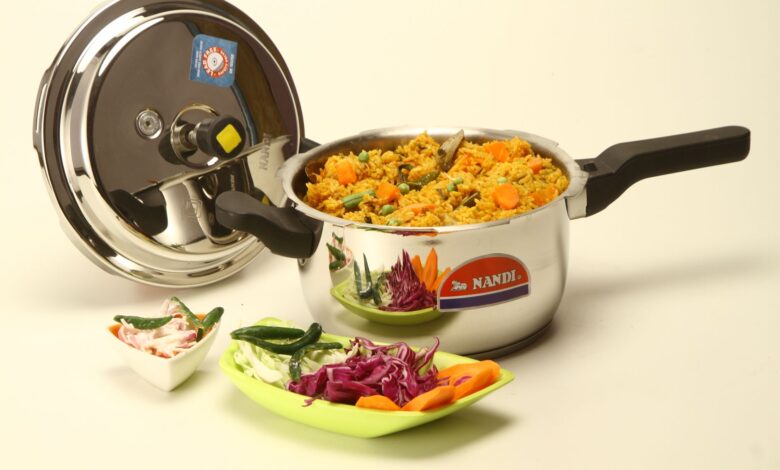
Pressure Cooker Gasket Materials Compared: Silicone vs Nitrile Rubber — Which Lasts Longer in Indian Kitchens?
Food-grade silicone pressure cooker gaskets typically last two to three times longer than nitrile rubber ones because silicone resists the thermal aging and oil absorption that hardens rubber over repeated heating cycles. The trade-off is that rubber seals often provide a tighter initial fit due to higher compression force, which can make them feel more secure when new despite their…
Read More » -
Pressure cookers
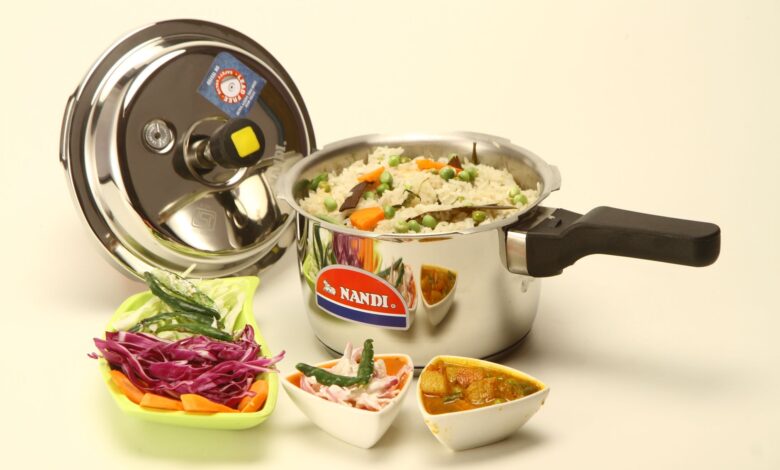
Inner Lid vs Outer Lid Pressure Cookers: Which Design Suits Indian Daily Cooking Better?
Choosing between an inner lid and outer lid pressure cooker depends less on which is universally better and more on whether you prioritize safety redundancy or cleaning convenience. Inner lids seal from the inside using steam pressure to lock against the pot rim, while outer lids clamp down mechanically with a gasket compressed by external force. The right choice emerges…
Read More » -
Pressure cookers
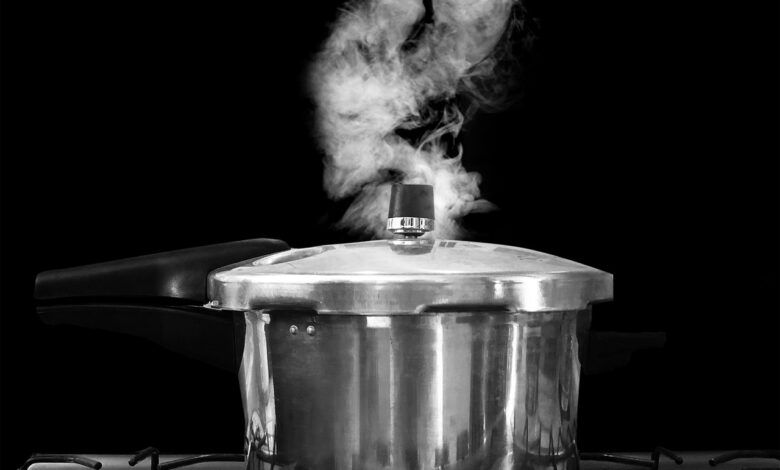
The Pressure Cooker Safety Systems Explained: Spring Valves, Fusible Plugs, and Gasket Release Mechanisms
Indian pressure cookers rely on two separate safety valves that operate through different mechanical principles to prevent dangerous over-pressurization. The primary weight valve regulates cooking pressure by lifting at a set point, while the secondary fusible plug acts as a thermal failsafe that melts if temperatures exceed safe limits. Understanding how these devices function requires distinguishing between pressure regulation and…
Read More » -
Mixer grinders & wet grinders

Mixer grinder for hard-water areas: descaling, maintenance, and preventing limescale damage
Pouring straight vinegar into a mixer jar and letting it sit overnight might dissolve limescale, but it often permanently degrades the rubber seals and pits lower-grade stainless steel. The fix is not avoiding descalers but matching the agent’s acidity to your jar’s material and gasket while using short, controlled soaks instead of hours-long marination. Metallurgical guidelines on acetic acid pitting…
Read More » -
Mixer grinders & wet grinders

Compact mixer grinder for small Indian kitchens: what capacity trade-offs actually cost you
Most appliance spec sheets advertise a continuous run time, leading buyers to think they can grind a large batch of soaked lentils without pausing. Those limits actually define short bursts with mandatory rest periods rather than uninterrupted operation. Safety standards like IS 302-2-14 testing protocols evaluate motors under intermittent conditions, which is why manufacturers warn against continuous wet grinding. Understanding…
Read More » -
Mixer grinders & wet grinders

Mixer grinder for voltage-fluctuation areas: what protection features actually work in Indian conditions
You are grinding a tough batch of dry turmeric when the kitchen lights flicker and your mixer’s motor shifts from a powerful whine to a strained, low hum before the safety switch cuts out. The internal protector tripped, but that does not mean your motor is safe. Damage from a voltage sag may already be done, because most “voltage protection”…
Read More » -
Mixer grinders & wet grinders

Mixer grinder overload protection: how the reset button works and why it trips during heavy grinding
You are midway through grinding dry turmeric or wet idli batter when your mixer grinder shudders, clicks, and goes dead. Reviving it demands more than patience, because you must determine whether a thermal safety switch, a blade jam, or a voltage fluctuation cut the power. The IS 302-2-14 abnormal operation standard mandates overload protection that disconnects the motor before winding…
Read More » -
Mixer grinders & wet grinders
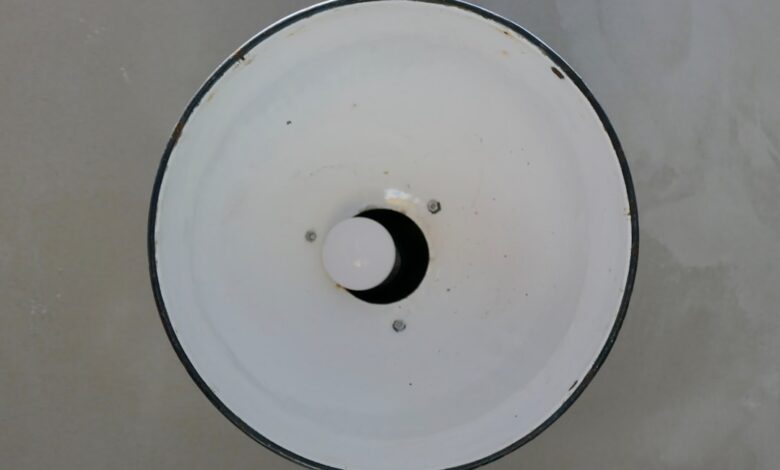
Which mixer grinder jar gasket material lasts longest with daily Indian cooking and hot ingredients
You lift the mixer grinder off the counter after grinding a hot tomato-tamarind chutney, only to find acidic liquid seeping out from beneath the jar base and pooling around the motor housing. Stopping that leak takes more than ordering the first replacement ring you see online, because the ring’s material and hardness must survive the thermal and chemical shock of…
Read More » -
Mixer grinders & wet grinders
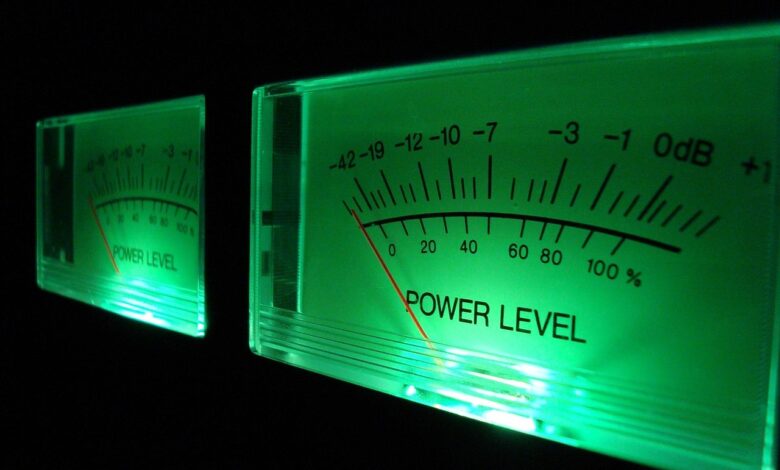
Mixer grinder noise levels decibels: what is normal and when noise signals a problem
You are midway through grinding wet urad dal for idli batter when the mixer’s familiar loud whine suddenly shifts into a harsh metallic screech. The volume may not have changed at all, but the pitch is telling a different story. Separating normal motor noise from mechanical distress is not about whether the machine hits 85 decibels, because the specific frequency…
Read More » -
Mixer grinders & wet grinders

How mixer grinder blade design and geometry affect grinding consistency for Indian spices and batters
Most guides comparing mixer grinder blade design for fine grinding spices and wet batter stop at the “30-minute motor rating,” assuming non-stop running finishes a large idli batter in one stretch. That rating actually describes cumulative grinding built from intermittent cycles, a few minutes ON followed by cooling breaks that keep the motor from overheating. The number on the box…
Read More »