
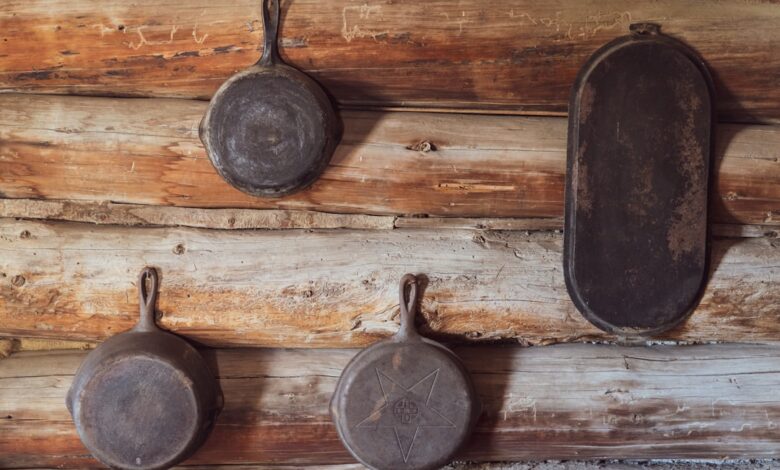
Just because a magnet sticks to your cast iron kadai does not mean it is safe or effective for your glass induction cooktop. True compatibility requires a perfectly flat, machined base that maintains full contact with the glass surface to ensure efficient magnetic coupling and prevent physical damage.
Appliance manufacturers warn that rough bottoms and heavy weights can easily scratch fragile glass-ceramic surfaces. Materials science explains how microscopic gaps between warped pans and coils destroy heat transfer efficiency, triggering safety shut-offs. Mastering physical flatness checks turns frustrating error codes into a seamless high-heat setup that protects expensive kitchen hardware.
The physics of magnetic coupling and why “magnetic” is not enough
Induction cooktops generate heat through electromagnetic induction, where a copper coil beneath the glass creates an oscillating magnetic field. This field induces eddy currents within ferromagnetic cookware, creating resistance that generates thermal energy directly in the pan’s base. However, this [magnetic field strength](https://www.cookwaregrid.com/why-induction-cookware-needs-flat-bottom/) drops off exponentially as distance from the coil increases, making physical proximity non-negotiable for performance.
When a cast iron base is warped, rough, or features a raised heat ring, it creates an air gap that severely weakens magnetic coupling. The stove’s sensors detect this inefficiency as either a missing pan or an overheating coil, often triggering error codes or pulsing power cycles that ruin temperature stability. Even if heating occurs, the reduced coupling forces the system to work harder at lower efficiency, wasting energy while delivering inconsistent results.
Layered cross-section showing how an air gap between a warped pan and induction coil drastically reduces magnetic field strength and heating efficiency.
This physics reality means “magnetic” is merely the entry requirement, not the performance guarantee. A pan that passes the magnet test but fails the flatness test will never deliver the consistent, responsive heating that makes induction cooking desirable for Indian tempering and searing.
The flatness test: spotting warped and rough bases before they scratch
Physical inspection separates true induction-compatible cookware from marketing claims. Lower-priced cast iron often has uneven or rough bases that can warp with use, requiring a [smooth and flat base](https://skeppshult1906.com/learn/cast-iron-for-induction-cooking-what-you-need-to-know/) to prevent damage to induction cooktops. Traditional sand-cast Indian kadhais frequently fail this standard out of the box due to manufacturing tolerances designed for gas flames rather than precision glass surfaces.
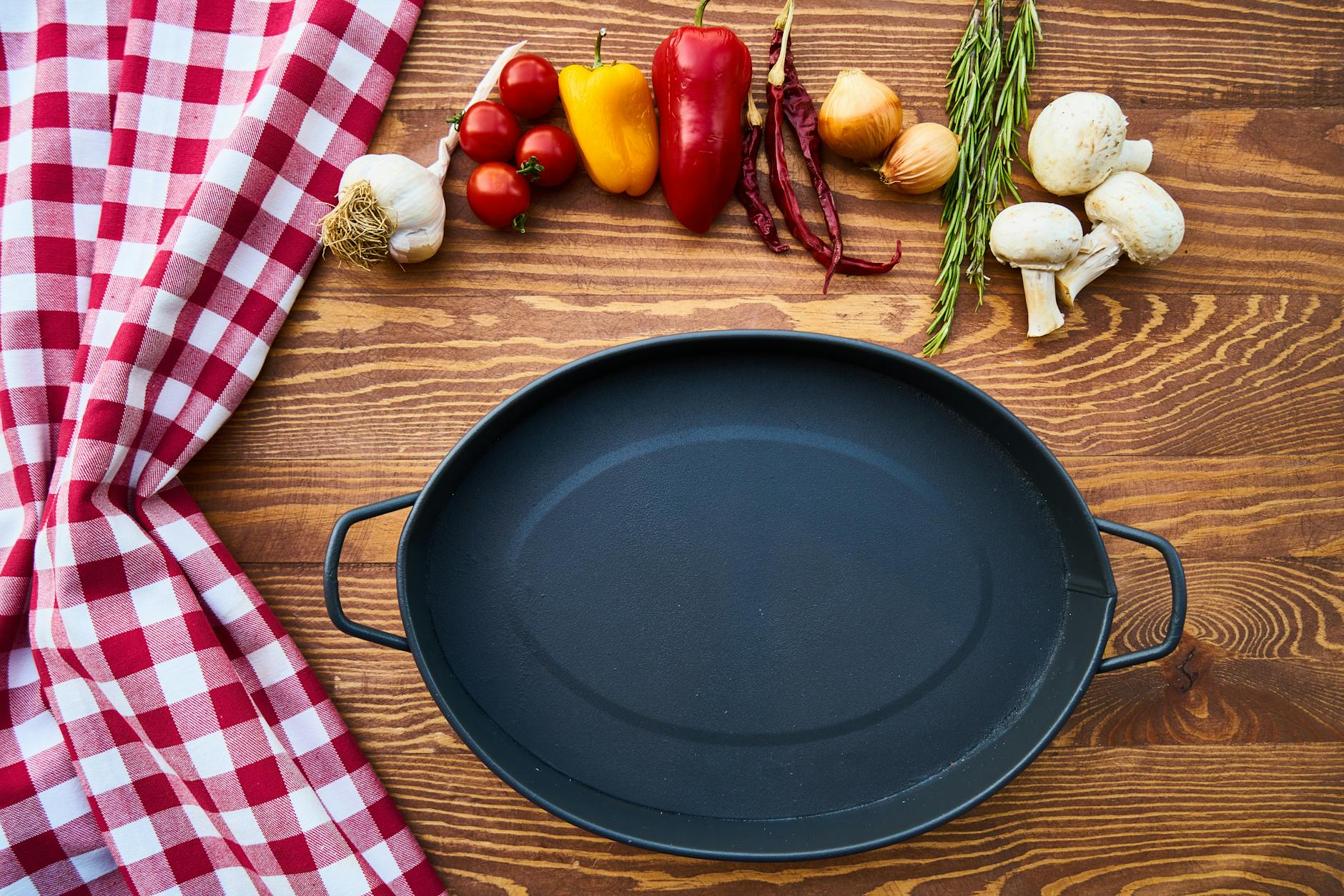
The Straightedge Test reveals warping instantly: lay a metal ruler across the unheated pan base and observe light gaps indicating convex or concave distortion. The Slide Test catches roughness: place the pan on flat paper atop glass; rocking or catching signals a casting too abrasive for direct contact. Buyers who skip these checks consistently report scratched cooktops, because traditional sand-casting leaves microscopic peaks that act like sandpaper under the pan’s weight.
Check the base edge smoothness by sliding a coin along the outer rim of the pan’s underside. A smooth transition indicates machining suitable for glass tops, while catching or rough texture signals a raw cast edge that will gouge the cooktop surface during routine repositioning.
In [Cooking Stack Exchange discussions](https://cooking.stackexchange.com/questions/76163/what-can-i-safely-put-between-my-cast-iron-skillet-and-induction-glass-top-stove), users repeatedly note that bare cast iron “glass rather easily scratches” even with careful handling. Whirlpool’s technical guidance confirms this mechanism: the physical interaction between rough cast surfaces and glass-ceramic creates micro-abrasions that accumulate over time, eventually weakening the cooktop’s structural integrity under thermal stress.
Heat distribution and the wobble penalty on glass cooktops
A wobbling pan on induction creates [localized temperature gradients](https://physics.stackexchange.com/questions/32062/a-wobbly-pan-on-an-induction-cooker-is-it-less-effective) because magnetic coupling fluctuates as the base shifts position. The areas in direct contact receive concentrated energy while lifted sections remain under-heated, producing hot spots that burn food centers while leaving edges raw. For dosa tawas, this means the batter sets unevenly, tearing when flipped despite correct overall temperature settings.
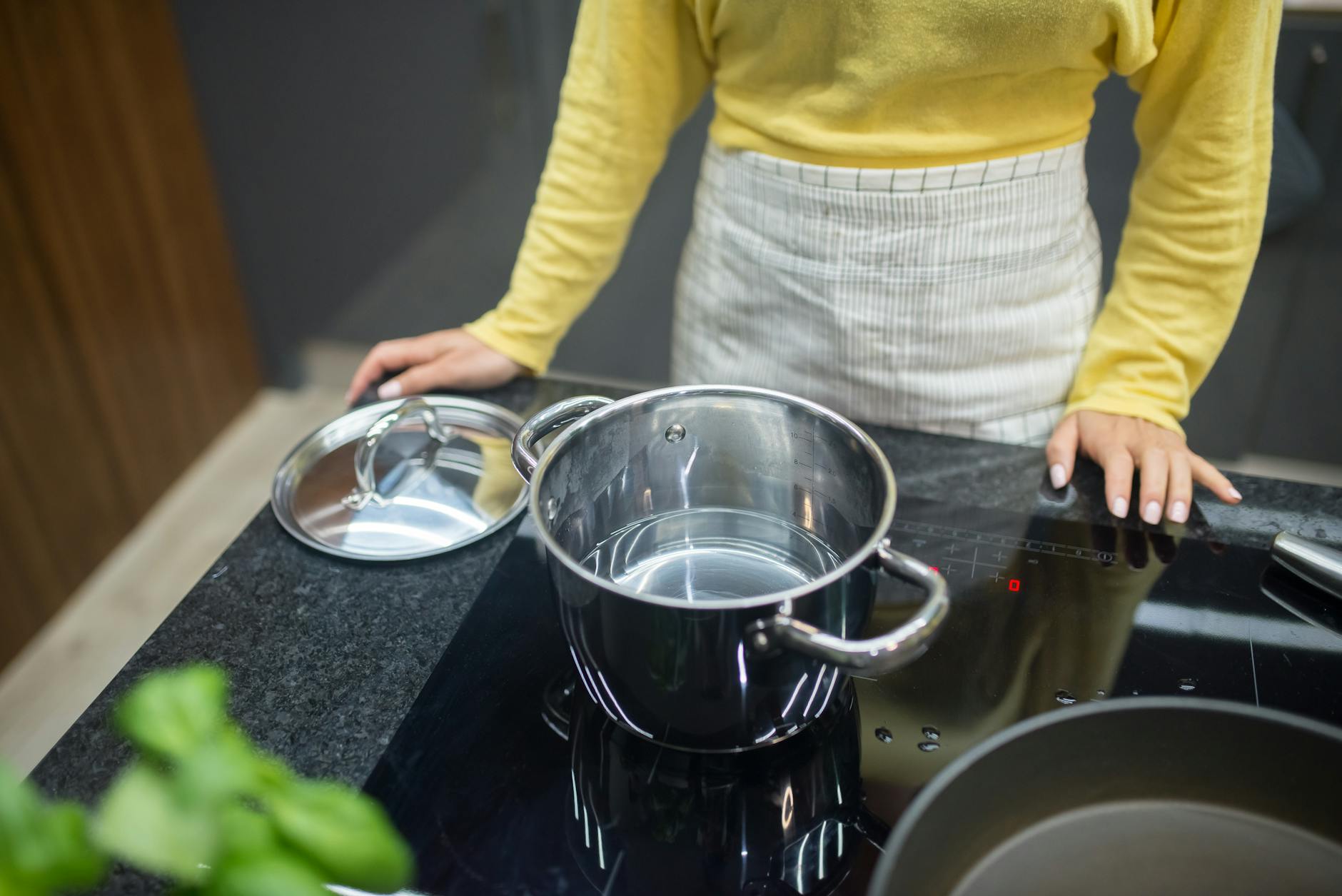
Thermal shock poses a greater danger than uneven cooking alone. Localized extreme heat on an unsupported section of cast iron creates differential expansion stresses that can permanently warp the base further or even crack the metal during high-heat tadka. Buyers who experience repeated warping typically discover their pan was never truly flat initially, because induction’s rapid heating amplifies pre-existing geometric flaws faster than gas flames ever could.
Before committing to a new cast iron purchase, verify heating uniformity by adding a shallow layer of water to the pan on medium induction power and observing bubble formation patterns. Bubbles forming exclusively in the center indicate poor base contact and impending hot-spot issues, while even distribution across the surface confirms proper magnetic coupling and flatness.
Why “induction compatible” labels lie about base flatness
Many Indian brands stamp “Induction Compatible” on packaging simply because the iron is magnetic, ignoring the physical requirement for a machined, flat base. This labeling exploits the technical truth that ferromagnetic materials work with induction while omitting the practical reality that rough or warped bases fail on glass cooktops. The distinction between “raw cast bottom” and “machined induction base” determines whether a pan actually performs safely or merely activates the stove’s sensor.
Raw cast bottoms emerge from sand molds with inherent texture variations and slight curvature that gas flames tolerate but glass tops reject. Machined bases undergo CNC lathing post-casting to create a dead-flat, smooth surface that maximizes contact area and eliminates scratching risks. Budget brands skip this costly step to maintain price points, passing the scratching risk and performance penalty onto consumers who assume the label guarantees safety.
Premium brands invest in machining precisely because they understand that induction compatibility is a geometric specification, not just a material property.
Brand tiers and base construction: what you actually get for the price
Price directly correlates with base finishing quality in the Indian cast iron market. The table below maps typical construction methods to their real-world induction performance, revealing where cost savings create operational trade-offs. Usage-life estimates are approximate and depend heavily on maintenance habits and heating protocols.
| Price tier (estimated) | Base construction type | Induction safety profile | Best use case |
|---|---|---|---|
| Budget (₹300–₹800) | Raw sand-cast, unmachined | Requires silicone mat; high scratch risk | Gas-primary kitchens; occasional induction with protection |
| Mid-range (₹800–₹1,500) | Partially machined or ground | Typically safe if verified flat; minor wobble possible | Daily induction with periodic flatness checks |
| Premium (₹1,500–₹2,500+) | Fully CNC machined, polished | Glass-safe out of box; consistent coupling | Dedicated induction setups; high-frequency dosa/tadka |
Budget options save money by eliminating post-cast machining, but this transfers the burden of protection entirely to the user via mats or acceptance of gradual cooktop wear. Mid-range products offer a compromise where some units pass flatness tests while others require returns, making pre-purchase verification essential. Premium pricing reflects the manufacturing cost of guaranteed flatness, removing guesswork and protecting both the pan and the cooktop investment.
For buyers evaluating specific products, the guide on [how to judge cast iron cookware quality before buying in India](https://kitchengeek.in/how-to-judge-cast-iron-cookware-quality-before-buying-in-india/) provides detailed inspection checklists covering handle attachment, casting defects, and weight distribution alongside base flatness verification.
Cast iron induction compatibility checklist and flatness test guide
Use this protocol to verify compatibility before first use and periodically thereafter to catch warping early. Sliding heavy cast iron on glass without a protector mat causes irreversible micro-scratches that weaken the surface and may lead to shattering under thermal stress, so always lift rather than drag.
Step 1: Verify base diameter matches coil size
Measure the flat contact area of the pan base, not the total width including flared sides. Bases significantly smaller than the induction zone printed on the glass trigger error codes regardless of magnetic strength, because sensors cannot detect sufficient ferrous mass within the active field radius.
Step 2: Perform the straightedge gap test
Lay a metal ruler across multiple axes of the cold pan base, checking for light penetration underneath. Any visible gap indicates warping that will cause uneven heating and potential sensor errors; such pans require a silicone mat or should be reserved for gas cooking only.
Step 3: Check for machined smooth finish
Run fingers across the base surface to distinguish between gritty raw casting and smooth machined metal. Only smooth finishes are truly glass-safe; rough textures demand protective barriers even if the pan appears flat, because weight concentration on abrasive peaks accelerates cooktop damage.
Step 4: Always use silicone mats for raw-bottomed kadhais
Traditional un-machined vessels require a thin silicone or fiberglass induction protector mat to bridge the gap between rough casting and delicate glass. These mats allow magnetic fields to pass through unimpeded while preventing direct contact that causes scratching and wobble-induced hot spots.
Heating protocol matters as much as physical compatibility. Always start cast iron on low power (approximately 300W or setting 1-2) for five minutes to allow thick metal to expand evenly before increasing temperature. Rushing to high power (above 1500W) on cold iron creates thermal shock that warps the base permanently, destroying whatever flatness existed at purchase and voiding induction performance going forward.
The final check
True induction compatibility depends on verified base flatness and smoothness, not merely magnetic attraction. Perform the straightedge and slide tests before every purchase, and always use protective mats for un-machined traditional cookware. Ignoring these physical requirements risks permanent cooktop damage and inconsistent cooking performance that no amount of seasoning or technique can overcome.
Frequently Asked Questions
Does the size of the cast iron base matter if it is smaller than the induction coil ring?
Induction sensors detect magnetic pan presence within a specific zone; bases significantly smaller than the marked coil diameter trigger error codes or refuse heating. Pan weight and magnetic strength cannot compensate for insufficient contact area outside the sensor’s detection threshold.
Can I use a silicone induction protector mat with all cast iron cookware?
Silicone or fiberglass mats are highly recommended for rough-bottomed traditional kadhais to prevent glass scratching during use. Their minimal thickness allows magnetic field transfer without meaningful efficiency loss, making them safe for all cast iron types including machined bases.
Why does my cast iron tawa warp after using it on an induction stove?
Induction heats pan centers extremely fast while edges stay cool, creating differential expansion stress in thick cast iron. Immediate high-power use without gradual warm-up causes permanent buckling that ruins base flatness and destroys induction compatibility through thermal shock.
Is enamelled cast iron safer for glass induction cooktops than bare cast iron?
Smooth enamel exterior bases resist scratching far better than rough bare iron during placement and movement. However, underlying cast iron remains subject to identical warping and flatness requirements, meaning warped enamelled pans still wobble and heat unevenly despite surface protection.
