
Flaxseed oil gets most of the attention in seasoning guides, yet in an Indian kitchen that handles high-heat tadkas and tropical humidity, that costly import often builds the wrong kind of layer. A durable finish comes from pairing each oil to the heat your stove actually reaches, not from copying another kitchen’s routine. Past that heat line, [fat polymerization](https://www.thekitchn.com/finally-the-science-behind-seasoning-cast-iron-the-best-oil-to-use-182433) takes over, breaking the oil’s molecules apart and re-binding them into hard chains that bond to the iron.
Materials science and culinary chemistry both predict how Indian oils behave under that kind of heat, and together they map out how to season a cast iron kadai or tawa properly. Even so, the right oil still fails when it goes on thick or cools in monsoon humidity, leaving a gummy coat that flakes at the first spice fry. Done properly, though, seasoning becomes a self-healing surface that survives daily sambar boils.
The chemistry of polymerization and why western oils fail
Cast iron only looks smooth from across the kitchen. Under magnification the surface is a field of microscopic pores, and seasoning locks a plastic-like polymer network into that texture. When oil crosses its smoke point, heat and oxygen open the double bonds in its fatty acids so the molecules link into long cross-linked chains — the [fat polymerization](https://www.thekitchn.com/finally-the-science-behind-seasoning-cast-iron-the-best-oil-to-use-182433) reaction that turns liquid fat into a hard solid coat.
How hard the cured coat ends up depends on the oil’s double-bond count. Flaxseed is a drying oil, so rich in polyunsaturated bonds that it polymerizes quickly into a rigid, glass-like film, while groundnut, mustard, and rice bran are semi-drying oils that cure slower and keep the flexibility a kadai actually needs.
Hardness without flexibility fails under Indian heat. A mustard-seed tadka spikes the surface temperature in seconds, and a rigid film that cannot expand with the iron cracks and sheds.
Owners trading notes on [flaxseed oil drawbacks](https://www.castironcollector.com/forum/threads/flax-seed-oil.4848/) describe precisely this pattern — a brittle finish that flakes, smells pungent while heating, and turns rancid in tropical climates. Buyers who have cooked with flaxseed-seasoned pans for a few months consistently notice black specks in their food, because the densely cross-linked layer has almost no give left to absorb thermal shock.
The cross-section below shows where each layer sits and why the anchor into the pores is the one part that must never fail.
Layered cross-section of a seasoned surface: the polymer network anchors into the iron’s pores, and only a flexible middle layer survives repeated thermal shock.
A coat bonded into the pores flexes and heals, while a brittle film sitting on top sheds into your curry.
Matching Indian cooking oils to their smoke points
Polymerization begins only above the oil’s smoke point, so the pan must run hotter than that line, yet not so hot that the fat carbonizes into soot before it can cross-link. That window sets the selection rule, which is to choose an oil whose smoke point sits comfortably below your stove’s working temperature.
Indian kitchens already stock strong candidates. [High smoke point oils](https://camlaversdesigns.com/pages/cooking-oil-smoke-points) like mustard reach roughly 250°C, rice bran sits near 232°C, and [refined groundnut oil](https://vomfassusa.com/blogs/gourmet-foods/smoke-point-of-oils) also stabilises around 232°C, neutral in flavour and reliable for base coats.
The trade-off between them is sensory rather than chemical, because mustard’s pungency comes from volatile compounds that burn off during the first heats yet can flavour delicate dosas early on, while groundnut adds no flavour from the first coat. Coconut oil is the weak candidate: unrefined versions smoke near 175°C, and its saturated fats carry few double bonds available for cross-linking.
Buyers who season with coconut oil often find the surface stays tacky in humid weather, because a fat with few double bonds builds only a thin, soft polymer network. Refined groundnut or rice bran are the safer defaults for base coats, so keep mustard for the cooking that follows.
Stripping factory wax and preparing the bare iron
New kadhais from Indian foundries rarely arrive bare. They ship under a film of industrial wax or heavy mineral oil to survive transit and warehouse humidity, and that barrier blocks polymerization just as effectively as rust would.
Strip that film completely before the first seasoning. Scrub with hot water, dish soap, and an abrasive pad or coarse salt paste until the shiny coating gives way to a dull, matte grey surface, and skip the soak, because bare iron left standing in water seeds rust instead of cleaning.
Rinsing the pan then shows whether the wax is truly gone: water beads on leftover coating yet sheets off clean bare iron, a difference you can spot at a glance in the comparison below.

Once water sheets evenly, dry the pan immediately on a low flame, because bare iron left wet begins rusting within minutes in coastal humidity.
How to season a cast iron kadai or tawa: the heating, smoking, and humidity-aware cooling protocol
With bare, dry iron ready, seasoning settles into a repeatable cycle: thin oil, hard heat, and the step most guides skip, humidity-aware cooling.
Step 1: Apply a microscopically thin layer
Wipe your chosen oil on with a folded cloth, then wipe it off again as if you made a mistake. The microscopic film left behind in the pores is the entire dose, and any visible shine is excess that will turn sticky.
Step 2: Heat until it smokes, then hold
Set the pan over a medium-high flame or in an oven held above the oil’s smoke point, roughly 230–260°C for the oils in this guide. Wait for visible smoke, then hold that temperature for 10–15 minutes while the surface shifts from grey to bronze to black.
Step 3: Cool with humidity in mind
As the iron cools, its open pores pull moisture straight from humid air, so during monsoon months cool the pan in the driest spot available — near a running fan or inside the switched-off oven — and wipe on a microscopic oil barrier for storage the moment it is safe to touch. Flash rust can bloom on bare iron within minutes on a humid evening, and [rust prevention for cast iron cookware in humid Indian weather](https://kitchengeek.in/rust-prevention-for-cast-iron-cookware-in-humid-indian-weather/) covers the storage habits that keep a new layer alive past its first week.
Step 4: Repeat two or three times
One pass leaves a thin bronze sheen, while three build the semi-gloss black base patina that cooking itself will deepen, and over the first week of use the coats typically darken further because everyday oil and heat keep adding polymer to the base. Stop each cycle when the surface feels dry and smooth, never tacky.
Why applying extra oil guarantees a sticky, flaking surface
In Euphoric Delights, a Facebook cooking group, a [thread on stubborn seasoning](https://www.facebook.com/groups/euphoric.delights/posts/7514421525263422/) keeps returning to the same two complaints: dosa batter clinging to a freshly seasoned tawa, and black flakes peeling after a simple tadka. One poster sums it up by saying the tawa “keeps sticking to it no matter how much oil” they use.
Pouring more oil is exactly the wrong instinct, because a pooled layer seals its own surface off from oxygen and heat, so the underside never fully polymerizes and stays gummy — the same tar that batter clings to. Under a hot spoon those soft deposits break into [carbonized oil flakes](https://www.lodgecastiron.com/pages/cleaning-and-care-cast-iron-troubleshooting), bits of oil that cured wrong and let go of the pan.
Tracking seasoning durability through 30 days of Indian cooking
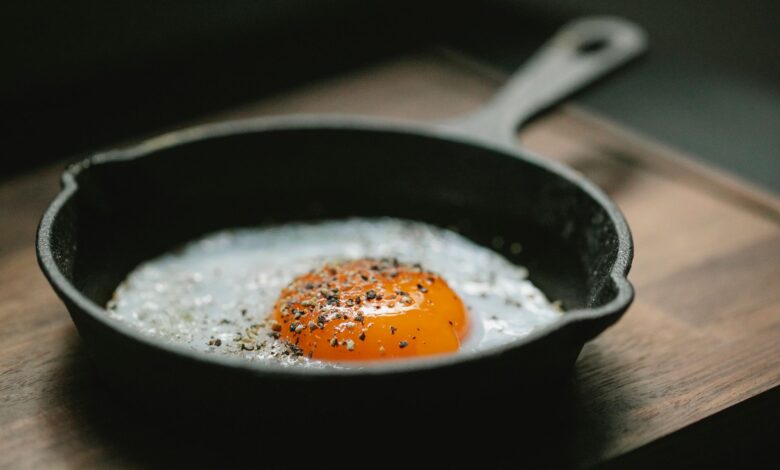
A single fried egg tells you almost nothing, because judging a seasoning properly takes about 30 days of real cooking. A simple tracking routine — macro photographs at day 1, day 15, and day 30, plus a fingernail scrape to judge hardness — exposes how the polymer layer interacts with daily Indian food.
High-heat work builds the layer, since every mustard-seed tadka is a miniature seasoning session where the tempering oil polymerizes onto the existing coat and the frying zone typically turns darker and slicker week by week. Buyers who cook daily tadkas consistently notice this deepening sheen, because each splatter of hot oil adds fresh cross-linked material to the patina.
Acid and prolonged moisture eat at the same layer, because tomato-heavy curries, tamarind rasam, and long sambar boils etch the polymer faster than heat can rebuild it and can reach the iron beneath. The damage shows up as dull grey patches or a faint metallic note in the food, so keep such boils short while the seasoning is young.
The visual markers are easy to read once you know them. A healthy patina sits deep and even black with a satin sheen, water beads on it, and a fingernail finds hard, glassy smoothness, while a failing one shows sticky tack, rust freckles, or flakes lifting at the edges — the signal to scrub back and re-season, not scrub harder.
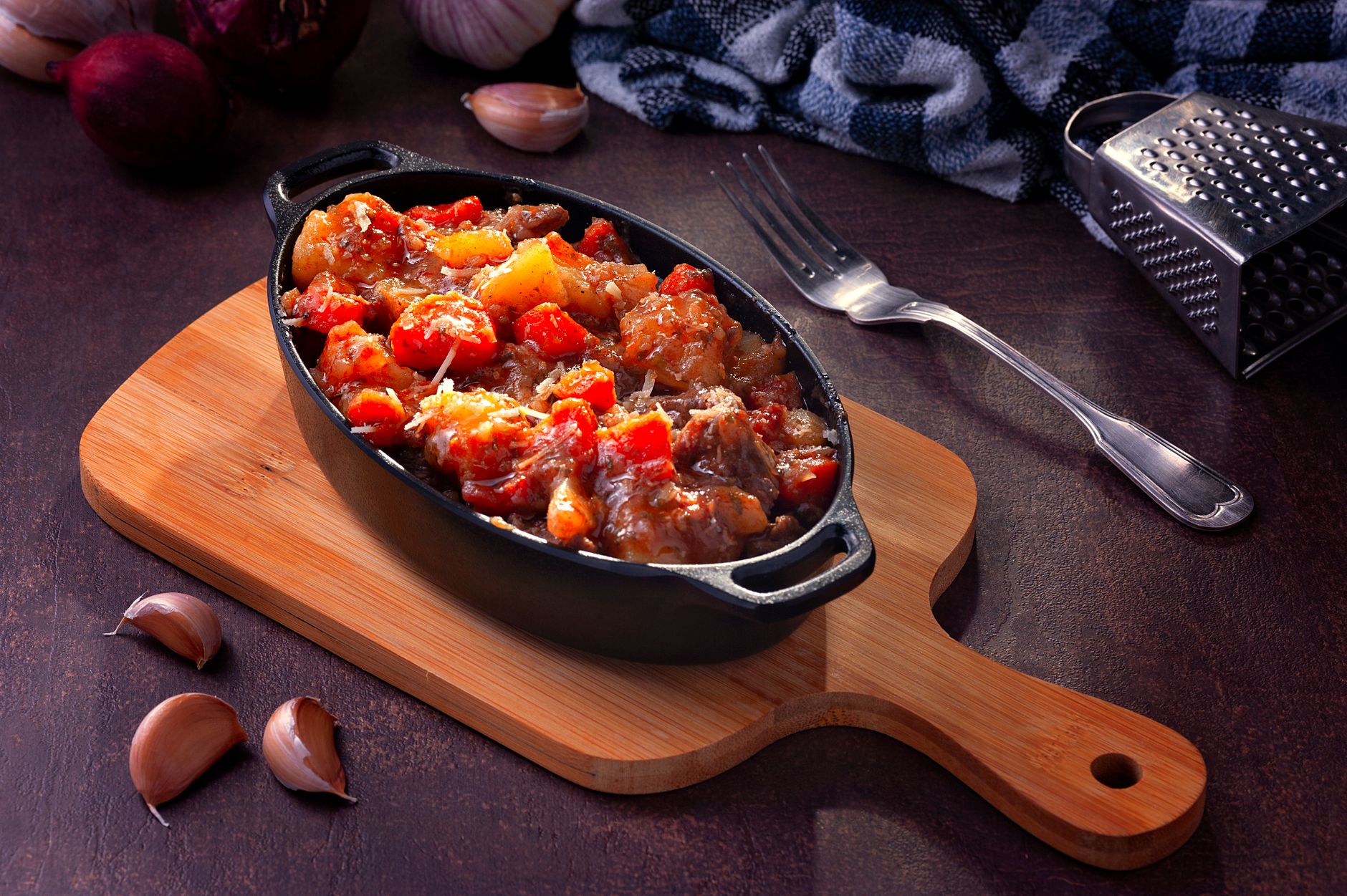
The photographs below document the surface evolution this routine reveals, from a thin first coat to a working patina.
Cast iron seasoning oil recommendation and maintenance schedule
The reference table below condenses the chemistry into a working matrix, and because the hardness ratings are estimated from each oil’s fatty-acid profile, treat them as guides rather than lab values.
| Oil type | Smoke point | Polymerization hardness (estimated) | Best Indian cooking application | Maintenance note |
|---|---|---|---|---|
| Mustard | 250°C | Typically hard, slightly brittle | Daily tadkas, bhuna, deep frying | Pungency burns off in the first heats |
| Refined groundnut | 232°C | Estimated medium-hard, flexible | Base coats; dosas and shallow frying | Re-oil after acidic boils |
| Rice bran | 232°C | Estimated medium-hard, even cure | High-heat frying, neutral-flavour dishes | Least flavour transfer of the three |
| Unrefined coconut | Approximately 175°C | Typically soft, slow to build | Not recommended for base seasoning | Few double bonds to cross-link |
Reading across the rows makes the practical split clear: neutral refined oils build the foundation, and mustard’s high smoke point makes it the best maintenance oil once regular cooking begins.
Staying ahead of the damage takes a simple maintenance schedule:
- After every cook: a warm rinse, a gentle scrub, flame-drying, then a microscopic oil wipe — the [post-wash maintenance](https://www.seriouseats.com/how-to-buy-season-clean-maintain-cast-iron-pans) habit that prevents flash rust between cooks.
- Weekly in monsoon months: check for rust freckles and spot re-season any patch you find.
- Monthly: add one full re-season coat whenever the surface looks dull grey or food starts dragging.
The quickest check is dragging a fingernail lightly across the cooking surface. A fully polymerized layer feels hard and glass-smooth, while a soft, gummy drag means the last coat never reached its smoke point and needs another heating cycle.
Making it work
A durable patina comes from matching an oil’s smoke point and fatty-acid chemistry to the heat your kadai actually sees, then applying that oil in microscopic layers. The single action that decides success is wiping the oil almost completely off before every heating cycle. Do that, and cool the pan away from monsoon humidity, and the surface hardens into a self-healing cooking layer; skip it and you get the sticky, flaking pan that sends people back to non-stick.
Frequently Asked Questions
Does mustard oil seasoning leave a lingering smell in my food?
The pungent compounds are volatile, so they burn off as the oil passes its roughly 250°C smoke point during polymerization. What remains is a neutral, hardened polymer that transfers no flavour to later dishes.
Can I use the same seasoning protocol for a cast iron dosa tawa and a deep kadai?
The oil chemistry is identical, but application differs, since a flat tawa seasons evenly on the stovetop. A deep kadai needs oven baking or careful rotation so the upper walls reach the smoke point without oil pooling at the base.
How do I fix a patchy, uneven seasoning layer without stripping the whole pan?
Scrub the flaking or gummy spot with coarse salt and a damp cloth, then dry the pan thoroughly. Apply a microscopic coat of high-smoke-point oil to just that zone and heat until it smokes, blending into the surrounding patina.
Is it safe to season cast iron on an induction cooktop, or do I need a gas flame?
It is safe but uneven, because induction heats the base fast while the upper walls stay relatively cool, producing a patchy polymer layer. Use an oven for the initial coats so heat reaches the entire surface uniformly.

2 Comments