
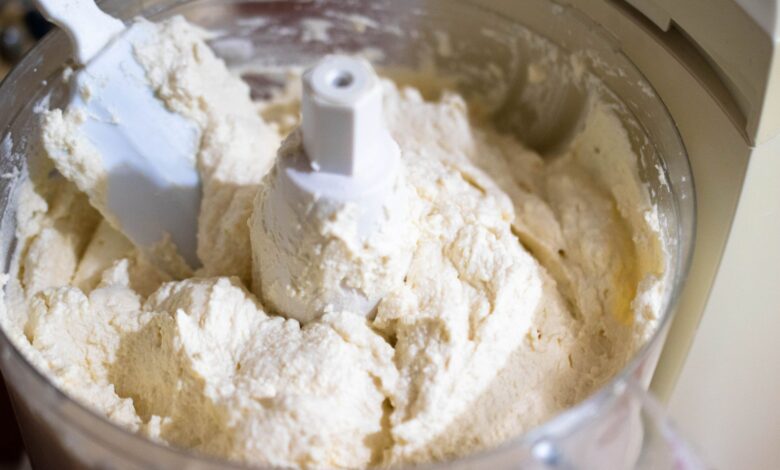
The “30-minute continuous rating” on a mixer grinder box almost never means thirty minutes of non-stop running. The figure describes short grinding bursts separated by cooling pauses the motor requires. That duty cycle, typically three to five minutes ON followed by a rest, is what keeps the overload protector silent and the fermenting yeast alive.
The IS 302-2-14 safety standard sets the thermal test limits, and engineers read winding curves against Class B insulation ceilings. Wet batters force maximum amperage through the motor via viscous drag, while friction heat passes into the food and kills fermentation above roughly 45°C. Matching wattage, load, and room temperature answers how long you can run a mixer grinder continuously for wet grinding without burnout.
The “30-minute rating” marketing myth vs engineering reality
A “30-minute continuous rating” on a premium box is a cumulative figure, not a promise of one long run. Engineering labs define it as a duty cycle: roughly five minutes ON followed by two minutes OFF, repeated six times. In practice the motor never runs hot for half an hour in a single stretch.
A universal motor generates heavy internal heat and sheds it through a shaft-mounted fan that forces air across the windings. Once the motor stops, the fan spins down while the thermal mass of the copper windings keeps radiating heat inward. The OFF interval exists so residual heat can escape before the enamel insulation takes damage.
Buyers who attempt one uninterrupted run for a family-size batter consistently hit the thermal cut-out near the fifth minute. Continuous amperage outpaces the fan’s cooling capacity, so the winding reaches the bimetallic trip point long before the box’s half-hour figure. Manufacturer notes on raw torque and duty cycle frame the same split: torque starts the load, duty cycle sustains it.
The timeline below contrasts what happens inside the windings under the two readings of the same rating.
Same motor, same wattage, only the pause pattern differs, and that single variable decides whether the insulation ages or survives.
Why wet batters push motors past the thermal limit
Soaked rice and urad dal behave very differently from dry spice. The thick batter creates viscous drag on the blades, so the motor draws near-maximum amperage for the entire run instead of pulsing lightly.
That produces a dual-heat crisis. Electrical heat builds in the windings, which consumer-affairs testing summaries for mixer grinders cap at a 95K temperature rise under Class B insulation limits. At the same time, friction heat travels through the stainless steel jar base straight into the batter.
The second heat path is the one that ruins breakfast, because batter temperatures above roughly 45°C kill the wild yeast and lactic acid bacteria that raise idli and dosa batter. A motor that survives the run can still deliver flat dosas and hard idlis.
After a few months of daily single-run sessions, the same motors typically trip earlier in each grind. Repeated overshoots permanently age the winding insulation, so the margin between normal running and the trip point shrinks.

Why touching the jar base is the wrong way to check motor safety
Touching the jar or body tells you almost nothing about the windings. Plastic and the jar base are poor thermal conductors, so by the time the housing feels hot at around 50°C, the copper inside may already be approaching 120°C, seconds from tripping the bimetallic strip. The IS 302-2-14 safety standard tests thermal performance at the winding, not at the skin.
On Team-BHP’s home appliance thread, users describe mixers stopping mid-batter with jars too hot to touch, and one member concluded “heating up of the jar… Avoid normal mixer grinder” in favour of a dedicated wet grinder. The consumer-affairs report on Class B insulation limits resolves the complaint: viscous wet loads spike winding temperature until the cut-out engages, while the same heat conducts into the food.
When the protector does engage, the reset behaviour is explained in Mixer grinder overload protection: how the reset button works and why it trips during heavy grinding. The reset is a symptom valve, not a licence to restart immediately.

How load type changes your safe running time
Dry spices like turmeric and black pepper entrain air as they fly around the jar, and that airflow acts as a partial cooling agent. Dry loads therefore tolerate the longer end of the run window, typically two to three minutes.
Wet chutneys create moderate drag but carry high water content, which absorbs part of the friction heat before it reaches the batter. Heavy fermentation batters are the opposite, a solid, airless vortex that maximizes amperage draw and traps heat against the jar wall.
At the motor housing, listen for the pitch to drop and check for a faint smell of hot copper or ozone as the true warning signs. A bogging pitch means rising amperage, and the smell means the windings are already near their limit, both arriving before any timer or skin check would warn you.
The calendar is therefore the wrong instrument. Load type, not clock time, sets the safe window, which is what the calculator below converts into usable numbers.
How long can you run a mixer grinder continuously for wet grinding: duty-cycle calculator for Indian batters
Read across from your mixer’s wattage tier and today’s recipe to find the run window and the cooling pause that follows it. All figures are typical planning estimates for domestic universal motors, not laboratory guarantees.
| Wattage tier and load | Max continuous ON (typical) | Cooling OFF (typical) | Batter temperature risk |
|---|---|---|---|
| 500W, dry masala | Approximately 2–3 min | Approximately 2 min | Low, no batter present |
| 500W, wet chutney | Approximately 2 min | Approximately 3 min | Low, water absorbs friction heat |
| 500W, idli/dosa batter | Approximately 3 min | Approximately 4–5 min | High, check batter warmth |
| 750W, dry masala | Approximately 3 min | Approximately 2 min | Low |
| 750W, wet chutney | Approximately 2–3 min | Approximately 3 min | Moderate |
| 750W, idli/dosa batter | Approximately 5 min | Approximately 3 min | High, grind in split sessions |
| 1000W+, dry masala | Approximately 3 min | Approximately 2 min | Low |
| 1000W+, wet chutney | Approximately 3 min | Approximately 2–3 min | Moderate |
| 1000W+, idli/dosa batter | Approximately 5 min | Approximately 3 min | High, but total time shortens |
Two patterns stand out. Wattage shortens the total grinding time but never removes the OFF pause, and the batter-risk column rises with viscosity rather than wattage, because drag, not power, decides how much friction heat enters the food.
A 15-minute family batter on a 750W mixer therefore becomes three separate five-minute sessions with roughly three-minute cooling breaks, not one forced run. The yeast survives the pauses, and the windings need them.
Buyers who switch to split sessions consistently finish large batters without a cut-out, because the OFF interval lets winding heat dissipate into ambient air instead of stacking toward the trip point.
What this means for your kitchen
A “30-minute rating” is a duty-cycle claim, not permission for one long run, and wet batter multiplies heat in both the windings and the food. Keep wet grinding to three-to-five minute bursts with cooling pauses, and watch pitch and smell rather than timers. Following the split-session rhythm finishes family batters with live yeast and an untripped motor, while ignoring it ends in cut-outs, flat dosas, and early insulation ageing.
Frequently Asked Questions
Does a higher wattage motor let me grind idli batter without stopping?
A 1000W motor adds torque against jamming, yet winding heat still accumulates and higher wattage can heat faster without OFF pauses. Keep the same duty-cycle rests, since raw torque and duty cycle are separate limits.
Will adding ice water to the batter protect the mixer grinder motor?
Ice water cools the batter and protects the fermentation yeast, but it cannot reach the motor windings beneath the jar coupling. Pause the machine regardless, so the internal overload protector never absorbs cumulative electrical heat.
Why does my mixer grinder smell like burning plastic during the first few uses?
A mild smell during the first few uses is typically the winding varnish curing, which manufacturing standards accept. The same smell later, or with sudden stops, signals insulation degrading from repeated duty-cycle violations tested against the IS 302-2-14 safety standard.
