
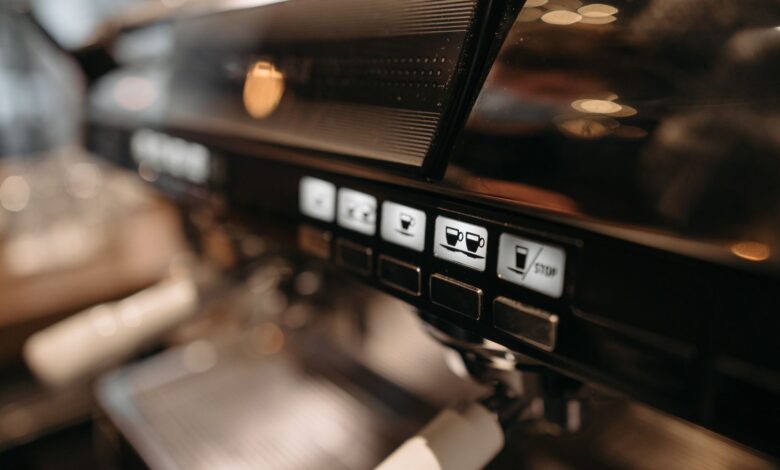
Picture unboxing a new electric percolator: the steel body gleams, but the cord feels paper-thin and the plug pins lack the thick insulated sleeves a wet countertop demands. Shiny metal hides cheap wiring, so the real safety of the machine lives in the details you can check by hand. India’s earthing and moisture resistance tests under IS 302 are what separate safe machines from fire risks.
For anyone asking whether the ISI mark is mandatory for electric coffee makers in India, the Bureau of Indian Standards treats the mix of water and a heating element as a genuine shock hazard, not a marketing formality. Counterfeit stickers and borrowed “copper winding” claims still flood listings, masking weak shock protection. Verifying the 7-digit CML number and inspecting the cord anchorage cuts through that noise.
The regulatory reality: is the ISI mark actually mandatory for coffee makers?
The short answer is yes, and the legal mechanism is a Quality Control Order. BIS ties household electrical safety to IS 302 (Part 1): 2024, while Part 2 (Section 206) deals with heating appliances such as coffee makers specifically.
Through phased rollout deadlines, mandatory certification extends to roughly 90 electrical categories from 1 October 2026, which turns the ISI mark from an optional badge into a legal requirement. The mandate reaches every percolator, drip maker, and espresso machine that mixes water with a live heating element inside a single chassis.
Certification verifies electrical safety only — shock protection, insulation, earthing — and says nothing about brew strength or element lifespan. A look at rating plates in the market shows the split quickly: compliant units print the IS number beside the logo, while risky stock carries a sticker on the box and bare metal underneath.
That gap is why the mark deserves a closer read than a glance, because the clauses behind it are what keep a splash away from a live terminal.
Decoding the IS 302 standard: what safety tests your coffee maker must pass
IS 302 starts from what a coffee maker actually is: a heating element plumbed with water and handled with wet hands. Its earthing and moisture resistance clauses exist because humidity and splashes are daily, not occasional, in an Indian kitchen.
Moisture ingress testing puts the machine through humidity and splash exposure first, then checks that live parts stay isolated. If water can bridge to the chassis, the unit fails no matter how well it brews.
Thermal overload protection works like a pressure cooker’s safety valve, but for heat: an internal cutoff must open the circuit if the element runs dry and temperatures climb past safe limits. That single component stops a forgotten switch from turning the steel body into a burn and fire hazard.
Earthing continuity is the last layer, because stray voltage on a metal body follows the earth wire to the ground pin instead of passing through the person holding the handle. That only holds while the earth path stays unbroken from chassis to plug.
Those three layers stack into one safety hierarchy, shown below.
Layered view: each IS 302 layer catches a failure the previous one cannot.
Buyers who have run unmarked percolators through a hard year consistently report tripped MCBs and tingling handles, because without a verified earth path, small insulation leaks have nowhere to go except through the user.
Physical inspection: checking the cord, plug, and earthing before you brew
Certification paperwork can be faked, but physical construction is harder to disguise, so start at the cord anchorage — the internal grip that stops the live wire being yanked out of the chassis when somebody tugs.
Check the cord anchorage by holding the body and pulling the cord gently where it enters the base. A proper grip holds firm, with no movement at the entry point and no exposed copper strands.
Then count pins, because a metal-bodied percolator needs a 3-pin plug with insulated sleeve pins, and the earth pin diverts stray voltage away from your hands during the brew. Official BIS guidance on coffee makers repeats the same priority: mark first, cord and plug second.
Insulation thickness matters as much as the plug, and examining a budget cord shows why: soft, light sheathing cracks at the bend within a year or two. Thinner copper and thinner insulation heat under load and fatigue at every twist.

Why “copper winding” claims in budget percolators are often misleading
Scroll through budget listings and you will meet “100% copper winding” on coffee percolators, a phrase that borrows its credibility from curd churners (madhani), where winding quality genuinely decides motor life.
A coffee maker contains no such motor, since its heat comes from a solid-state resistive coil, so a winding claim describes a component the appliance does not even have. The terminology is a marketing transfer that implies electrical superiority where none exists, and it distracts from the checks that actually matter: earthing, insulation, and thermal cutoff.
Spotting fake ISI marks and verifying the CML number
Counterfeit marks follow a simple pattern, pairing a generic ISI logo with no 7-digit CML (Certification Marks Licence) number and no IS standard number beneath it. A real mark is a licence address, not a logo.
Verification takes about a minute. Enter the CML number from the rating plate into the BIS Care app or the BIS portal, and it returns the licence holder, the standard tested against, and whether the licence is active.
Before paying, locate the 7-digit CML number printed beside the ISI mark and cross-check it against the brand name on the box. Any mismatch — or a plate that carries a logo but no number — is a signal to walk away.
On genuine plates the number is printed in the same pass as the rating details, while fakes typically sit as glossy stickers layered over the paint, because a real licence is marked at the factory, not applied in a warehouse.
Electrical safety settles whether a percolator is worth owning, and the companion guide on electric coffee percolators and moka pots for Indian filter coffee settles whether it is worth drinking from.
Your pre-purchase electrical safety checklist
Run this five-minute routine in the store or at the doorstep, before payment rather than after. Each row maps a physical check to the IS 302 mechanism it stands in for.
| Check | What to look for | IS 302 mechanism it represents |
|---|---|---|
| Cord gauge and anchorage | Firm internal grip; thick, stiff insulation; no copper showing | Insulation and cord security keep live wires from reaching the chassis |
| Plug type | 3-pin plug with insulated sleeves on live and neutral pins | Sleeves stop finger contact with live pins during partial insertion |
| Earthing pin | Solid earth pin connected to the metal body | Stray voltage diverts to ground instead of through the user |
| CML number | 7-digit licence number plus IS 302 text beside the ISI mark | Confirms this model passed moisture, thermal, and earthing tests |
| Thermal cutoff | Spec sheet or manual mentions dry-boil protection | Internal fuse opens the circuit before the chassis overheats |
The table reads top to bottom in order of fakability, since cord and plug are visible at arm’s length while the CML lookup is the one step a counterfeit cannot survive.
Step 1: inspect the cord and plug
Pull-test the anchorage and confirm the insulated sleeve pins, which takes two minutes and no tools.
Step 2: verify the CML number
Enter the 7-digit number in the BIS Care app, then confirm the licence is active and matches the brand on the box.
Step 3: confirm earthing or double insulation
A metal body without an earth pin is safe only with the Class II square-within-a-square symbol on the rating plate. If both are absent, return the unit.
Buyers who run the checklist at the doorstep consistently catch what store lighting hides, because the CML lookup takes a minute and a fake mark cannot answer it.
The last check
The ISI mark is only as good as the licence behind it, because a coffee maker’s safety lives in its cord, plug, and earth path, not in the shine of its steel. Verify the 7-digit CML number and pull-test the cord anchorage before paying. Do both and the machine you bring home is the one BIS actually tested; skip them and you brew on unverified wiring.
Frequently Asked Questions
Does a 5-star BEE rating guarantee that an electric coffee maker is electrically safe from short circuits?
No — a BEE star rating measures thermal efficiency and standby power draw, not protection against short circuits or electric shocks. Only IS 302 certification verifies the earthing and moisture resistance that keep a wet kitchen safe.
How can I verify if the ISI mark on a coffee percolator is genuine and not a counterfeit sticker?
Open the official BIS Care app and enter the 7-digit CML number printed on the rating plate. It returns the active licence details, the IS standard version, and the authorised manufacturer’s name.
Is a 2-pin plug safe for a metal-body electric coffee maker if the appliance has double-insulation markings?
Class II double-insulated appliances replace the earth wire with reinforced internal barriers, identified by a square-within-a-square symbol. If that symbol is absent from the rating plate, a metal-body maker needs a 3-pin earthed plug.
