

-
Mixer grinders & wet grinders
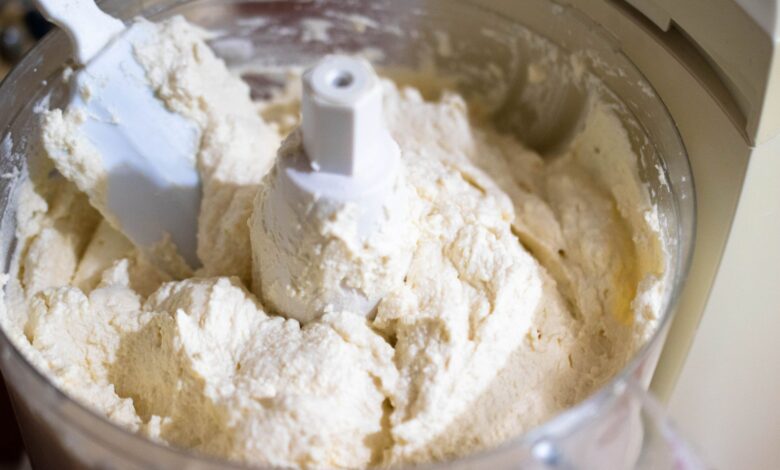
Mixer grinder duty cycle and continuous running limits: why the “5-minute rule” matters for Indian batters
The “30-minute continuous rating” on a mixer grinder box almost never means thirty minutes of non-stop running. The figure describes short grinding bursts separated by cooling pauses the motor requires. That duty cycle, typically three to five minutes ON followed by a rest, is what keeps the overload protector silent and the fermenting yeast alive. The IS 302-2-14 safety standard…
Read More » -
Kitchen storage & organization
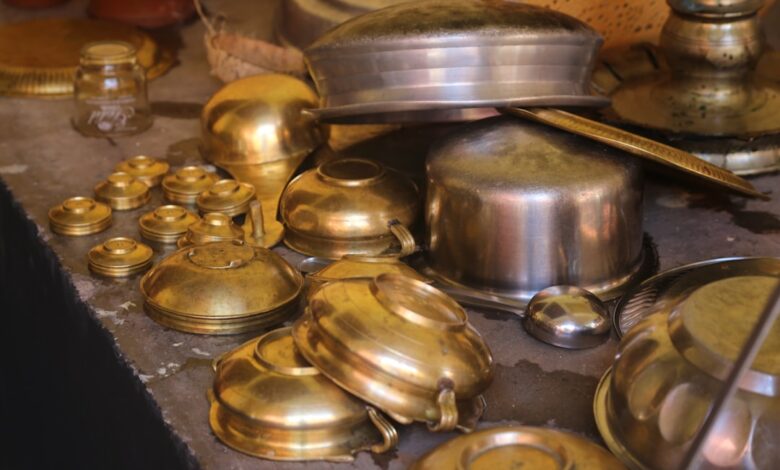
Kitchen Organizers That Actually Fit Indian Cookware: Thalis, Kadhai, and Pressure Cooker Storage Solutions
Standard modular cabinets are built around Western saucepans, so a generic organizer fails the first time a wide-handled kadhai or a tall pressure cooker meets a base drawer. The fix is to match each vessel’s exact size and weight against the free space and load limits of pull-out boxes, vertical thali racks, and reinforced shelves. Cabinet engineering and kitchen ergonomics…
Read More » -
Mixer grinders & wet grinders
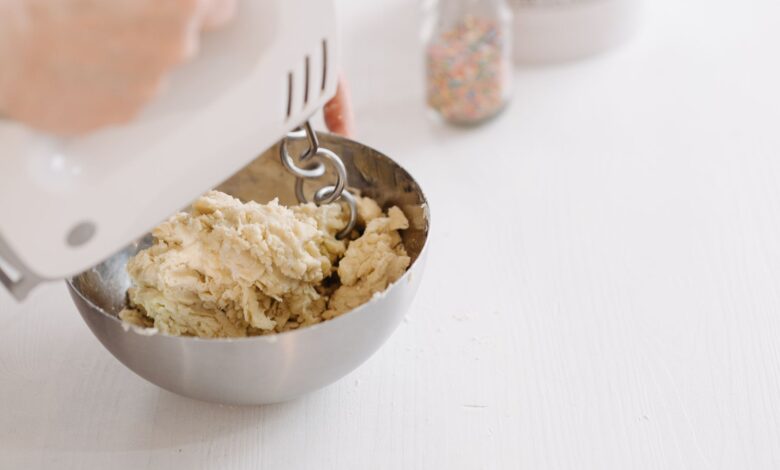
What mixer grinder stainless steel grade actually means for food safety and jar longevity
Most mixer grinder buying guides focus on motor wattage and jar capacity, and almost none examine which stainless steel grade is safe for mixer grinder jars in daily wet grinding. The gap between premium and standard grades decides whether a jar resists tamarind, salt, and turmeric, or develops pinpoint rust that ends up in the batter. The 304 vs 202…
Read More » -
Mixer grinders & wet grinders
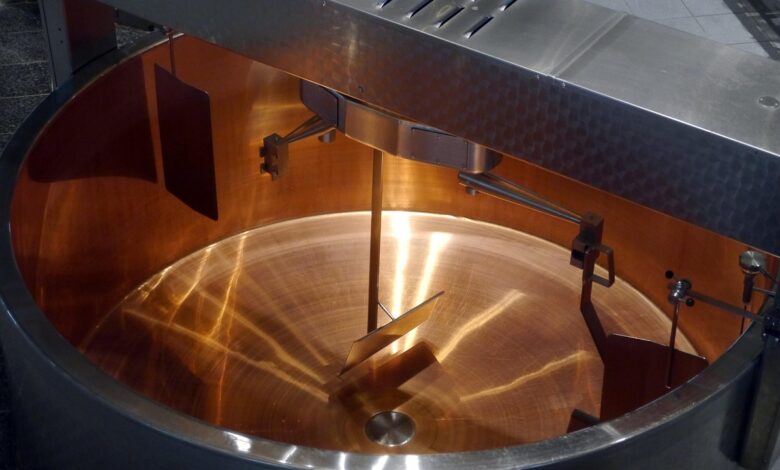
Mixer grinder motor copper winding vs aluminium winding: what the specification sheet does not tell you
Most comparisons of copper winding vs aluminium winding in mixer grinders focus on wattage and jar count. Almost none explain the motor winding, the part that decides whether your mixer survives five minutes of continuous idli batter grinding or trips mid-grind. The winding material sets the electrical resistance that controls heat buildup during sustained wet grinding. IS 302-2-14, the BIS…
Read More » -
Kitchen storage & organization
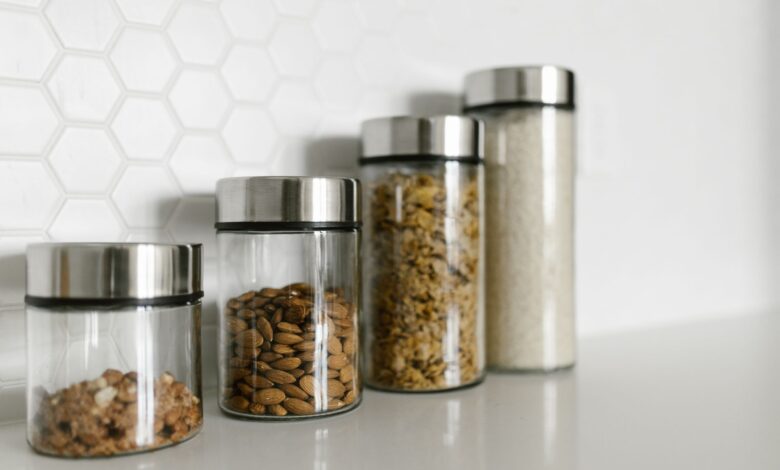
How to Choose Food Storage Containers That Won’t Leach Chemicals into Hot or Oily Indian Food
A “food safe” sticker on a plastic tub does not make it safe for hot sambar or oily pickle. The label only means one chemical was replaced with a substitute that still moves into food under heat and fat. Real safety depends on the resin code stamped on the base and on how well the plastic resists lipid-induced migration, the…
Read More » -
Kitchen storage & organization
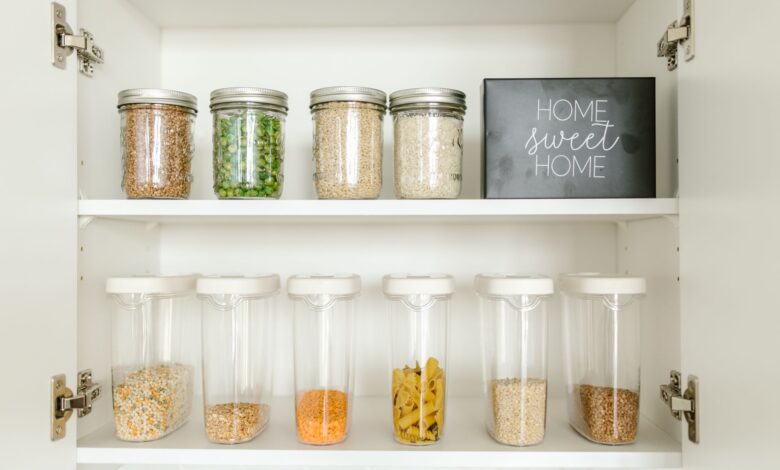
Stackable or Single-Layer: Which Container Design Saves More Space in an Indian Kitchen Cabinet
Reaching for a buried container while cooking forces you to dismantle an entire stack just to grab one item. Real space-saving designs minimize the physical effort needed to pull a specific jar without toppling the rest. Basic kitchen workflow rules dictate that daily ingredients must remain accessible in a single motion. Interlocking lids might look neat on a display shelf,…
Read More » -
Kitchen storage & organization
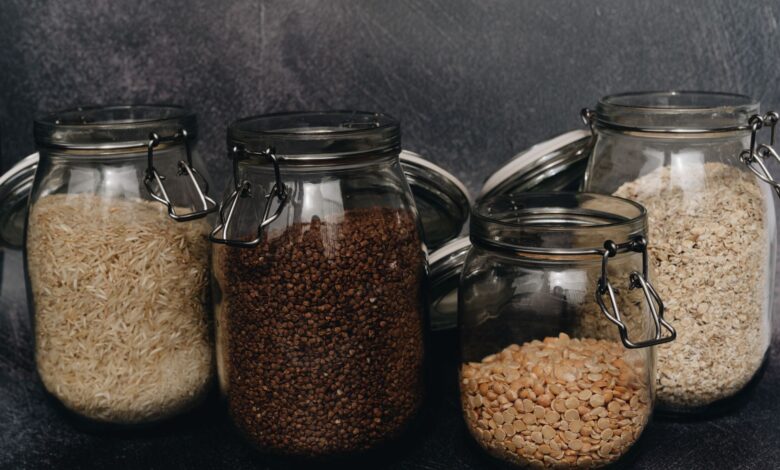
The Best Airtight Storage Containers for Indian Pantry Staples That Actually Stay Airtight
A printed “airtight” claim on a pantry jar is a marketing promise rather than a mechanical guarantee. Heavy bags of flour warp thin plastic lids, and monsoon humidity exploits any microscopic gap that opens up. True moisture protection requires a lid that maintains steady downward pressure and a gasket that recovers its shape. Material science shows exactly why these seals…
Read More » -
Kitchen storage & organization
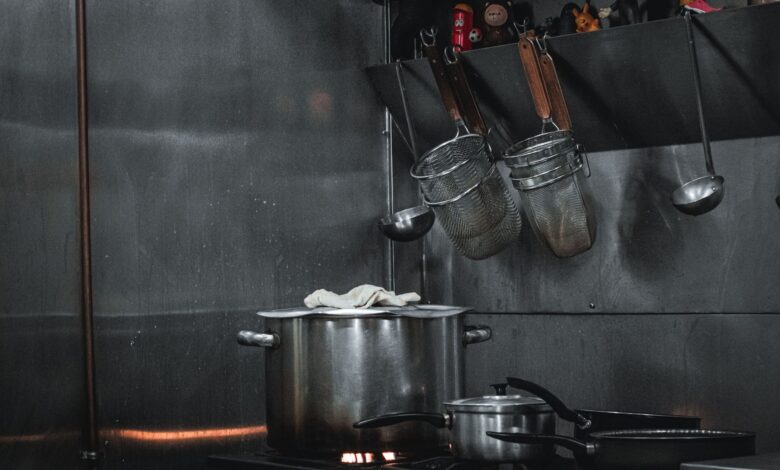
Which Kitchen Storage Rack Material Will Survive Daily Use in an Indian Joint-Family Kitchen
In a joint-family kitchen, wet brass handis, copper thalis, and a heavy pressure cooker land on the same rack every night, while airborne oil, turmeric dust, and steam settle across its wires. The rack that survives that routine is built from metal that holds weight and shrugs off acidic, oily residue — not one that merely carries a “rust-proof” sticker.…
Read More » -
Kitchen storage & organization
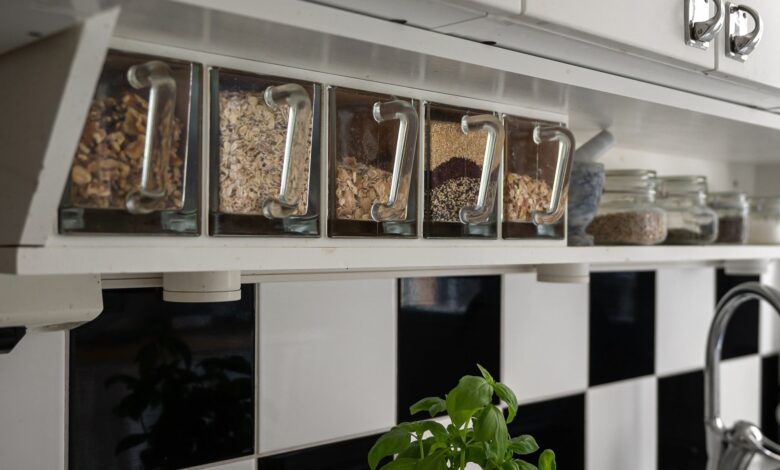
How to Measure and Maximize Every Inch of Storage in a Small Indian Kitchen Without Renovation
You are wedging a 5-liter cooker past a row of coffee mugs, and the cabinet door still will not close. Organizing a small Indian kitchen with limited space starts with a measured audit of depths, clearances, and zones, and it needs no teardown. Ergonomic research backs that order of work, because ergonomic spatial optimization — placing things by measured movement…
Read More » -
Kitchen storage & organization
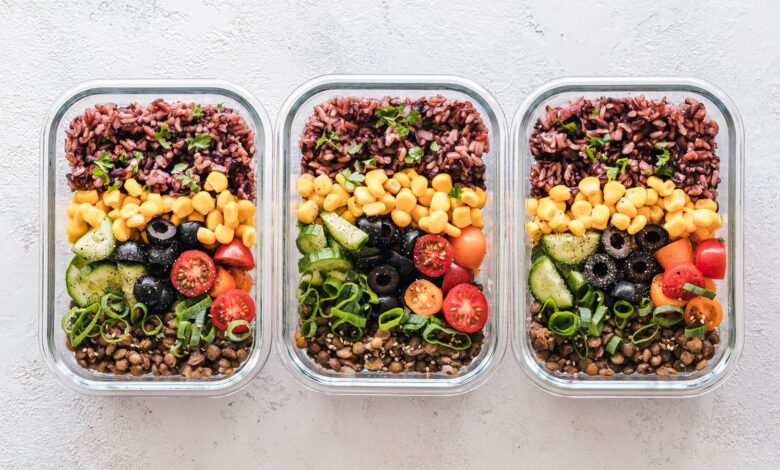
Glass vs Plastic vs Steel: Which Container Material Is Safest for Reheating and Freezing Indian Meals
Glass, plastic, and steel all survive the fridge, but the freezer-to-microwave jump splits them: one labelled glass handles it, most plastics merely tolerate it, and steel never enters the microwave. Answering which food storage container is safe for microwave and freezer use in India therefore means matching each material to one extreme at a time and reading the stamp that…
Read More »